Penhook VA Electrical Safety Inspections — Why They Matter


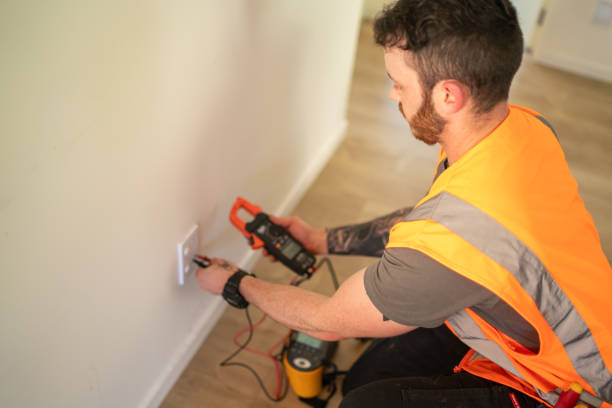
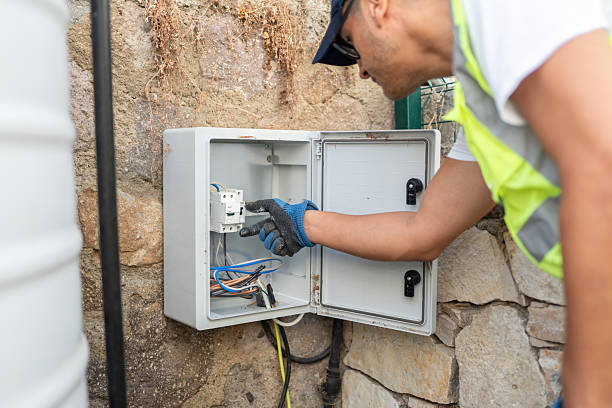
Rough electrical inspections are the checkpoint that keeps your project safe and on schedule. If you are framing a new room, finishing a basement, or remodeling a kitchen, a rough electrical inspection confirms wiring, boxes, and grounding meet code before walls close. Skip it and you risk safety hazards, delays, and costly rework. At Wisler Plumbing, Heating, Cooling & Electric, our licensed electricians plan and prepare your system to pass the first time, so your build keeps moving.
What Is a Rough Electrical Inspection?
A rough electrical inspection takes place after wiring, boxes, and service equipment are installed but before insulation and drywall go up. The inspector needs clear visibility of the conductors, routing, terminations, and grounding so nothing unsafe gets buried in a wall.
During this stage, the power may be temporary or not yet energized. Inspectors verify that your layout, conductor sizes, overcurrent protection, grounding, and box placement match the approved plans and code. If corrections are required, you handle them now while access is easy.
Key point: once the walls close, mistakes get expensive. Rough inspections protect your budget and your family before the finish work begins.
Why Rough Inspections Matter for Safety and Code Compliance
Electrical fires and shocks often start with hidden problems. Rough inspections catch those issues early. Inspectors reference the National Electrical Code as adopted by your local jurisdiction to reduce risks from overloaded circuits, poor splices, damaged sheathing, or missing bonding.
Passing the rough means:
- Safer installations that reduce fire and shock hazards.
- A faster path to insulation, drywall, and finish work.
- Fewer change orders and callbacks.
- A documented record that the work complied with code at the time of construction.
Two hard safety facts that influence rough approvals:
- GFCI protection is required in wet or damp locations like bathrooms, kitchens, garages, outdoors, and basements as defined by modern codes. This reduces shock risk.
- AFCI protection is widely required for many habitable rooms to mitigate arc faults that can start behind-the-wall fires.
What Inspectors Look For During a Rough-In
Inspectors focus on workmanship, protection, and code intent. Here is a practical view of what they check and how we prepare your job to pass.
Service Equipment, Panel, and Grounding
- Correct service size, grounding electrode system, and bonding of metal piping systems where required.
- Neat conductor terminations and appropriate torque on lugs, with no double-tapped breakers unless listed.
- Clear working space and panel mounting height within code limits.
At Wisler, our electricians also perform diagnostic steps on panels during service work such as visual inspection for rust or wear and connection checks. We use thermal testing to spot abnormal heat at lugs that may signal a loose or overloaded connection. That proactive approach informs how we build safe systems at rough-in.
Branch Circuits and Cable Routing
- Correct conductor size matched to breaker ratings.
- Protection from physical damage with proper staples, boring, and nail plates where needed.
- No sharp bends, damaged jackets, or unsupported spans.
Boxes, Box Fill, and Support
- Approved box types, securely mounted and flush to finished surfaces.
- Adequate cubic inches for conductor counts and devices.
- Conductor sheathing properly stripped with enough free conductor length for splicing.
GFCI and AFCI Protection
- Circuits that require GFCI or AFCI are identified and protected by listed devices or breakers.
- Kitchen small appliance and bathroom circuits separated and sized per plan.
Bonding and Equipment Grounding
- Continuous equipment grounding conductors and listed connectors.
- Bonding of metal boxes, luminaires, and equipment where required.
Workmanship and Labeling
- Clean routing, straight runs, and professional staple spacing.
- Clear panel schedules that match the circuit layout and plan set.
Common Failures We See in the Roanoke Area
Our team works across Roanoke, Salem, Vinton, Rocky Mount, and nearby communities. The most frequent rough-in failures we are called to correct include:
- Overfilled boxes that exceed cubic inch limits.
- Missing nail plates where cables pass close to stud faces.
- Shared neutrals not handled per code on multiwire branch circuits.
- Insufficient support or damaged cable sheathing during framing.
- GFCI or AFCI protection missing where required by local code adoption.
- Poorly planned kitchen small appliance circuits that trip under load.
We prevent these with tight planning, box fill math, device selection, and a pre-inspection quality check before your official inspection.
How to Pass Your Rough Electrical Inspection the First Time
Use this simple builder and homeowner checklist before you schedule:
- Confirm permits and the approved plan set are on site.
- Verify conductor sizes and breaker ratings match the load and code.
- Check every box for secure mounting, correct depth, and cubic inch capacity.
- Protect cables with staples and nail plates. No damaged jackets.
- Identify required GFCI and AFCI circuits and use listed protection.
- Bond all metal boxes and equipment. Grounding is continuous.
- Label the panel schedule to match room locations and loads.
- Clear the work area so the inspector can see all runs and terminations.
At Wisler, we perform this same pre-inspection process so your official inspection is a formality, not a fire drill.
Owner-Builder and Remodeler Tips
If you are acting as the general contractor for a basement finish, addition, or whole-home remodel, plan your electrical rough early.
- Finalize device counts and lighting before rough. Last-minute changes cause box fill or routing problems.
- Coordinate with plumbing and HVAC to avoid mechanical conflicts that force unsafe cable reroutes.
- Ask your electrician to walk the job. A 20-minute walk can prevent a two-week delay.
Our licensed team manages layout, load calculation, and device placement so you get the function you want and a clean pass on inspection.
Timeline: Permit to Rough Inspection to Close-In
A smooth electrical timeline looks like this:
- Design and load calculations.
- Permit submission to your local office, such as City of Roanoke or Roanoke County.
- Rough-in wiring, boxes, and panel work.
- Internal quality check, corrections, and inspector scheduling.
- Rough inspection approval.
- Insulation and drywall.
- Final electrical trim, device installation, testing, and final inspection.
We handle the permitting, schedule the inspection at the right stage, and remain on site as needed to answer inspector questions.
How Wisler Handles Rough Electrical Projects
Wisler is a full-service contractor. Whether you require repairs, installations, or safety inspections, our team can handle it all. For rough electrical work, our process is built to pass the first time:
- Scope and Code Review: We align your plan with current code and local amendments.
- Material Selection: We use listed devices and correct box sizes to meet box fill rules.
- Craftsmanship: Straight runs, proper support, clean terminations.
- Quality Control: We perform a documented pre-inspection checklist.
- Inspector Ready: Plans and labels on site, clear access, and a knowledgeable lead tech present.
All of the work Wisler’s experts perform is backed by our 100% guarantee, including our electrical work. If an inspector requests a correction within our scope, we make it right quickly.
Pricing, Permits, and Scheduling in Southwest Virginia
Every project is different, but a clear scope avoids surprises. We provide transparent, up-front pricing before work begins, including permit and inspection coordination. Our extended regular hours and emergency response help keep your schedule on track when timelines get tight.
For multi-trade projects, you can bundle plumbing, HVAC, electrical, and water treatment to save and simplify scheduling across trades.
Rough vs Final vs Ongoing Safety Inspections
- Rough Inspection: Before walls close. Focus is on routing, protection, and code adherence.
- Final Electrical Inspection: After trim-out and device installation. Verifies operation, labeling, and finish details.
- Ongoing Safety Inspections: Annual or as needed to find hazards like overheating connections, aging wiring, or faulty devices.
Wisler performs electrical safety inspections that include panel checks for rust or wear, connection tightening, and thermal testing to identify hot spots that could point to a hidden fault.
When to Schedule an Electrical Safety Inspection Beyond the Rough-In
Even if you passed rough and final, schedule an inspection when you notice danger signs:
- Sparks, burning smells, or buzzing at devices.
- Frequent breaker trips or dimming lights.
- Warm outlets or old, cloth-insulated wiring.
Our Diamond Club membership includes an annual electrical inspection, priority scheduling, and reduced service fees. It keeps your system safe long after construction is complete.
Special Offers
- Special Offer: $99 Electrical Safety Inspection. Restrictions may apply. Expires 2026-05-06. Call (540) 238-0320 and mention the $99 Electrical Safety Inspection.
- Bundling Bonus: Save 5% when combining trades for the same project, including Electrical. Expires 2026-06-03. Call (540) 238-0320 to stack your schedule and save.
- Diamond Club: About $24 per month. Includes one annual electrical inspection and reduced service fees. One-year minimum. ACH options available.
Ready to pass your rough inspection and protect your home? Call (540) 238-0320 or visit https://callwisler.com/ to schedule.
What Homeowners Are Saying
"Today’s electrical inspection and repair was done quickly and efficiently."
–Carl P., Electrical Inspection
"Jared and Logan came to do a routine inspection on our hvac system and found a serious fire hazard. We called to have the component replaced and they came same day after hours to keep our family warm and safe. Very impressed with Wisler Plumbing and Air."
–Ian C., Safety Concern Resolved
"Marlin came out to service my water heater but found an electrical issue that could have resulted in a dangerous situation. He immediately assessed the problem and steered me to their electrical department. It's very reassuring to know that Wisler only hires qualified people who have a broad experience in what they do. Hats off to marlin and thankyou !!"
–Harriet W., Electrical Issue Identified
"Bobby was very friendly and knowledgeable. Arrived on time, did a thorough inspection and gave me options. Wisler has the best techs! I worked at Wisler for 12 years. It was absolutely the best job I ever had!"
–Dee S., Inspection and Options
Frequently Asked Questions
When should I schedule the rough electrical inspection?
After all wiring, boxes, and panel work are installed but before insulation and drywall. The inspector must see the conductors and terminations.
Do I need power energized for the rough inspection?
Usually no. Rough checks routing, protection, and terminations. Final inspection verifies operation once devices are installed and circuits are live.
Who pulls the permit for electrical work?
In most cases, the licensed electrical contractor pulls the permit and coordinates inspections with your local building department.
What fails rough inspections most often?
Overfilled boxes, missing nail plates, unsupported cables, and missing GFCI or AFCI protection are common reasons for corrections.
How does Diamond Club help with electrical safety?
Members receive an annual electrical inspection, priority scheduling, and reduced service fees, which helps catch hazards before they become emergencies.
Conclusion
Rough electrical inspections protect your project, budget, and family by catching problems before they are hidden in the walls. If you are building or remodeling in Roanoke and nearby cities, schedule experts who design to code and pass the first time.
For expert help with rough electrical inspections in Roanoke, call (540) 238-0320 or visit https://callwisler.com/. Mention the $99 Electrical Safety Inspection or ask about Diamond Club for ongoing safety.
Call, Schedule, or Chat Now
- Call: (540) 238-0320
- Web: https://callwisler.com/
- Current Offers: $99 Electrical Safety Inspection and 5% multi-trade bundle. Ask about Diamond Club with one annual electrical inspection.
Book today and keep your project on schedule while protecting your home and family.
About Wisler Plumbing, Heating, Cooling & Electric
Serving Southwest Virginia since 1986, Wisler delivers licensed, background‑checked, and weekly trained electricians. We back every job with a 100% satisfaction guarantee and transparent pricing. Our team holds industry certifications and earned awards like Virginia Business Best Places to Work 2024. From permits to final inspection, we handle the details, protect your home, and get the work passed and powered safely.
Sources11
Source links open in a new tab.
- $30 off Standard and After Hours Service Feescallwisler.com (opens in a new tab)
- To learn more about generator installation in Roanoke, VA or the surrounding areas, or to request a free quote, give us a call now at (540) 592-4793.callwisler.com (opens in a new tab)
- Free estimates for new installationscallwisler.com (opens in a new tab)
- Happy comment by John Crutegoogle.com (opens in a new tab)
- Happy comment by James Foldsgoogle.com (opens in a new tab)
- Happy comment by DL 0858google.com (opens in a new tab)
- Happy comment by JtM MtJgoogle.com (opens in a new tab)
- Penhook VA Plumbing, Heating & Cooling Services – Certified Technicians for All Home Systemscallwisler.com (opens in a new tab)
- Troutville VA Plumbers, Electricians & HVAC Pros – Trusted Home Comfort & Repair Expertscallwisler.com (opens in a new tab)
- Roanoke, VA Heating Maintenance & Safety Tune-Ups | Furnace & Heat Pump Inspections, Cleaning & Fall Checkupscallwisler.com (opens in a new tab)
- Roanoke, VA Electrical Services | Licensed Electricians for Home Wiring, Repairs, Lighting & Panel Upgradescallwisler.com (opens in a new tab)