
Roanoke VA Whole-Home Rewiring: Safe Options Without Wall Removal

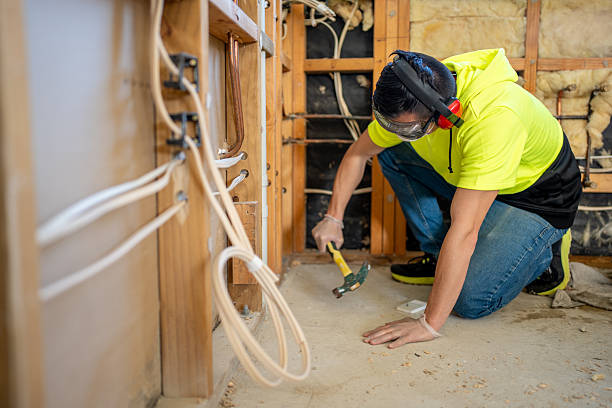
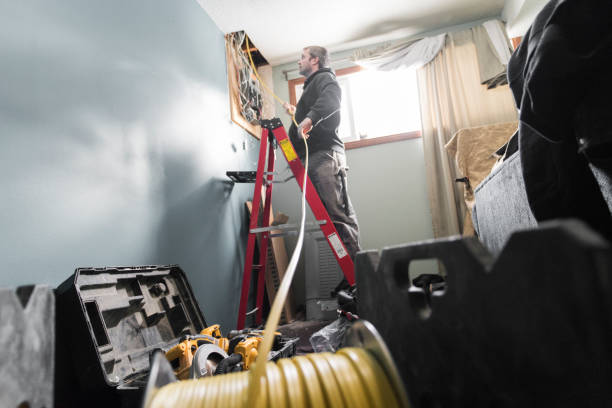

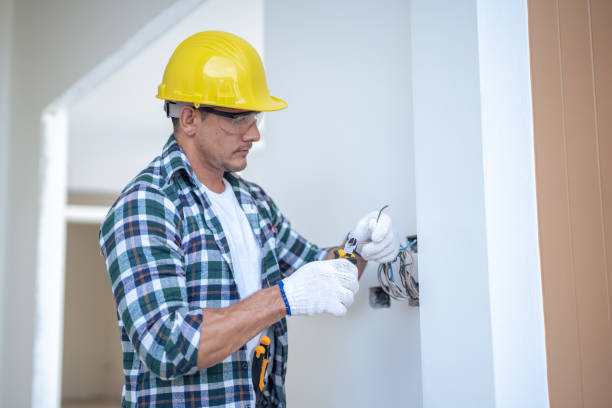
Homeowners often ask if you can rewire a house without removing walls. The short answer is yes, in many homes you can, and it can be done safely by a licensed electrician who follows code and secures permits. In this guide, we explain how pros fish new wiring, where it works best, what to expect on cost and timeline, and how we protect your family and your home in the Roanoke area.
Is it possible to rewire without opening walls?
In many Roanoke‑area homes, full or partial rewiring can be done with minimal drywall removal. Electricians use fishing techniques to route new cables through attics, crawlspaces, basements, and existing chases. Small, strategic access holes are cut at switch or fixture locations and then patched. Older plaster‑and‑lath walls often allow fishing from the attic or basement to each room.
Homes with accessible basements in Salem or crawlspaces in Cave Spring tend to be the best candidates. Brick ranch homes from the 1960s in Vinton and Goodview often allow attic drops for lighting and crawlspace runs for outlets. Multi‑story homes may require a few more access points, but large-scale demolition is usually avoidable.
When you should consider a full rewire
Some symptoms mean your wiring is beyond quick fixes and likely needs replacement:
- Sparks or flames from outlets or fixtures.
- Burning smells or discoloration at devices.
- Frequent breaker trips or blown fuses.
- Flickering or dimming lights throughout a circuit.
- Warm outlets or switches and buzzing sounds.
- Old or outdated wiring, including cloth‑insulated or aluminum branch circuits.
- Shocks when touching appliances or switches.
If you see any of these, stop using the circuit and call a licensed electrician. Safety comes first.
How pros rewire with minimal wall cuts
Rewiring without teardown follows a careful plan that blends code compliance and access.
- Map circuits and create a room‑by‑room plan. Label all devices and panel spaces.
- Secure permits with the local authority. In Virginia, residential wiring must be performed by a licensed electrician under DPOR oversight.
- Protect surfaces with floor and furniture coverings. Dust control is a must.
- Fish new cable from accessible spaces. Use the attic for lighting drops and the crawlspace or basement for receptacles.
- Replace old boxes with code‑sized boxes. Install tamper‑resistant receptacles where required.
- Upgrade grounding. Bond metal boxes and ensure proper grounding electrodes.
- Add required AFCI and GFCI protection. Modern codes require protection for many living areas and wet zones.
- Schedule rough‑in and final inspections. Most jurisdictions require both.
This method limits openings to target areas and keeps your home livable during the project.
Safety, permits, and inspections
A safe rewire is never a shortcut job. It includes permits, inspections, and licensed labor.
- Permits and inspections protect you at resale and with insurance. Local inspectors verify safe installation.
- AFCI helps prevent electrical fires from arcing faults. GFCI reduces shock risks in kitchens, baths, garages, and outdoors.
- Smoke and carbon monoxide alarms must meet current placement rules when you significantly alter electrical systems.
Our team adheres to the latest electrical codes and documents all work. You get proof of compliance for your records.
Special cases: plaster walls, masonry, and finished ceilings
Every home is different. Here is how pros adapt to tricky structures.
- Plaster and lath: We use flexible bits and fish tapes from attics and basements. We cut small, repairable access holes if needed.
- Masonry or block walls: Surface raceways or conduit may be used where interior cavities are limited.
- Finished ceilings below attics: We fish from nearby closets or utility chases to preserve finished spaces.
- Historic details: We protect trim and restore disturbed areas with like‑for‑like finishes when possible.
Results are clean, safe, and discreet, with heavy demolition avoided unless a hidden hazard is found.
Aluminum, cloth, and knob‑and‑tube wiring
Older wiring materials can be unsafe or incompatible with modern loads.
- Aluminum branch‑circuit wiring is common in some 1965–1972 homes nationwide. The U.S. Consumer Product Safety Commission warns of increased fire risk from overheated connections. Proper correction includes approved connectors or full replacement.
- Cloth‑insulated cable becomes brittle and may lack a grounding conductor.
- Knob‑and‑tube lacks grounding and insulation capacity for today’s demands.
A licensed electrician will evaluate each material and recommend the safest path forward.
Panel upgrades and circuit balancing
A rewire is the best time to assess your service and panel.
- Many older homes have 60–100 amp service. Modern homes often need 150–200 amps.
- We add dedicated circuits for kitchens, laundry, baths, and HVAC.
- We balance loads to reduce nuisance trips and extend equipment life.
If you plan for EV charging, a workshop, or a hot tub, we size the panel and feeders for the future.
What it costs and what drives price
Costs vary widely based on size, access, and code upgrades. Here are the main drivers.
- Square footage and number of stories.
- Access to attics, basements, or crawlspaces.
- Wall type and finish complexity.
- Panel capacity and service size.
- Number of new circuits and devices.
- Required AFCI/GFCI, grounding, and smoke alarm updates.
Financing is available for qualified projects. Many homeowners in Rocky Mount and Wirtz use monthly plans to spread costs while improving safety.
Timeline and what to expect during the job
Most whole‑home rewires take several days to a couple of weeks.
- Planning and permits: 1–5 business days depending on jurisdiction.
- Rough‑in: 2–7 days, room by room to keep you functional.
- Inspector rough check: usually within 24–72 hours of request.
- Trim and device install: 1–3 days.
- Final inspection: 1–3 days.
We communicate daily, schedule power‑off windows, and clean at the end of each day.
Minimizing disruption and dust
A tidy job is not an accident. It is a process.
- Protect: Floor runners, plastic barriers, and vent covers.
- Contain: HEPA vacuums and on‑tool dust collection.
- Patch: Small holes are repaired and prepped for paint.
- Respect: We move and protect furniture, then reset rooms.
You should be able to live in your home while work progresses in zones.
How to prepare your home
A little prep makes the process faster and cleaner.
- Clear 3–5 feet around panels, outlets, and switches.
- Remove fragile items from shelves and walls.
- Identify pets that need safe containment.
- Share plans for future remodels so we can pre‑wire.
We will handle the rest, from materials to permit paperwork.
Why choose a licensed pro for minimal‑cut rewires
Fishing wires through finished spaces sounds simple, but it is not a DIY project.
- Licensed electricians understand structural paths and fire‑blocking rules.
- We identify hidden hazards like back‑stabbed outlets and overheated splices.
- We verify grounding continuity and correct polarity at every device.
- Your project is inspected and documented for future buyers and insurers.
The payoff is a safer home and a professional finish.
Local insight: what works in the Roanoke area
Our area’s homes offer unique opportunities for minimal‑cut rewires.
- Many Roanoke basements provide clean runs for first‑floor receptacles.
- Cave Spring crawlspaces allow lateral runs and quick device drops.
- Salem attics make lighting rewires efficient with limited ceiling cuts.
- Vinton and Goodview ranch layouts reduce vertical fishing distance.
We tailor the plan to your structure and finish level.
Our guarantees and quality controls
You deserve safe, code‑compliant results with zero surprises.
- 100% satisfaction guarantee on our electrical work.
- Background‑checked, continuously trained electricians.
- Fully stocked trucks to prevent delays.
- Clear, upfront pricing and financing options through trusted partners.
You see the plan, the price, and the schedule before work begins.
What Homeowners Are Saying
"Chad, Gideon and Brandon were very efficient, professional and gave attention to every detail when rewiring my house. It gives me peace of mind that my home is more efficient and safe. Thank you Wisler electricians!"
–Renee Q., Whole-Home Rewiring
"Ricky did an excellent job on our panel box Rewiring and installing the materials that we need to run our generator when our house loses power. He went beyond excellence in the work that he performed at my house today. I’m very very pleased with WISLER PLUMBING. They have been to my house two times and did excellent quality work in the last month."
–Marvin A., Electrical Panel & Generator Prep
"I was very pleased with the electrical service that I received from Wisler Plumbing and Air Inc. Darrell and the other electrician that came to the house were very respectful of my house. They completed a full electrical upgrade for my downstairs family room without any inconvenience to me while the work was being performed."
–DL 0., Electrical Upgrade
Frequently Asked Questions
Can you rewire a house without tearing down walls?
In many homes, yes. Electricians fish new cables through attics, basements, and crawlspaces, using small access holes at devices. Large demolition is often unnecessary.
Is a permit required for a rewire in Virginia?
Yes. Residential electrical work requires permits and inspections. A licensed electrician must perform the work and schedule rough‑in and final inspections with the local authority.
How long does a whole‑home rewire take?
Most projects take several days to two weeks, depending on home size, access, and inspection timing. Work is planned in zones to limit disruption.
Will I need to upgrade my electrical panel?
Often. Older 60–100 amp services may not support modern loads. Many homes move to 150–200 amps during a rewire to add dedicated circuits.
What are the signs I need a full rewire?
Frequent breaker trips, burning smells, warm outlets, flickering lights, shocks, sparks, buzzing, or very old wiring such as cloth or aluminum are strong warning signs.
Conclusion
Rewiring without removing walls is possible in many homes when done by a licensed electrician who follows code and secures permits. If you are in Roanoke, Cave Spring, Salem, Vinton, or nearby, we can assess whether a minimal‑cut plan will work and provide upfront pricing.
Call to Action
Ready for a safe, clean rewire? Call Wisler Plumbing, Heating, Cooling & Electric at (540) 238-0320 or schedule at https://callwisler.com/. Ask about financing options for larger electrical projects.
Call (540) 238-0320 or visit https://callwisler.com/ to schedule your whole‑home rewiring evaluation today. Serving Roanoke, Cave Spring, Salem, Vinton, Rocky Mount, and nearby.
About Wisler Plumbing, Heating, Cooling & Electric
Proudly serving Roanoke and surrounding communities since 1986, Wisler delivers licensed, background‑checked electricians, upfront pricing, and a 100% satisfaction guarantee. Our team completes ongoing technical training and arrives in fully equipped trucks to finish most work same day. We are BBB certified, award winning, and offer financing options for larger projects. One trusted local brand for plumbing, HVAC, and electrical.
Sources12
Source links open in a new tab.
- Free 200-amp ATS with the purchase of a new stand-alone whole-home generatorcallwisler.com (opens in a new tab)
- The cost is only $24/ month, or about $0.77 a day! Only $24/month — about $0.77 a day. Minimum one-year contract required.callwisler.com (opens in a new tab)
- Free estimates for new installationscallwisler.com (opens in a new tab)
- Contact us today for a free consultation.callwisler.com (opens in a new tab)
- Happy comment by Arno Fujigoogle.com (opens in a new tab)
- Happy comment by Renee Quesenberrygoogle.com (opens in a new tab)
- Happy comment by Jay Quintygoogle.com (opens in a new tab)
- Happy comment by DL 0858google.com (opens in a new tab)
- Union Hall VA HVAC, Plumbing & Electrical – Licensed Technicians for Repairs & Installationscallwisler.com (opens in a new tab)
- Penhook VA Plumbing, Heating & Cooling Services – Certified Technicians for All Home Systemscallwisler.com (opens in a new tab)
- Ferrum VA Plumbing, Heating & Cooling – Local HVAC and Plumbing Repair Specialistscallwisler.com (opens in a new tab)
- Roanoke, VA AC Installation & Replacement | Call Wislercallwisler.com (opens in a new tab)