
Rocky Mount, VA Electrical: Fixing a Dead Light Switch
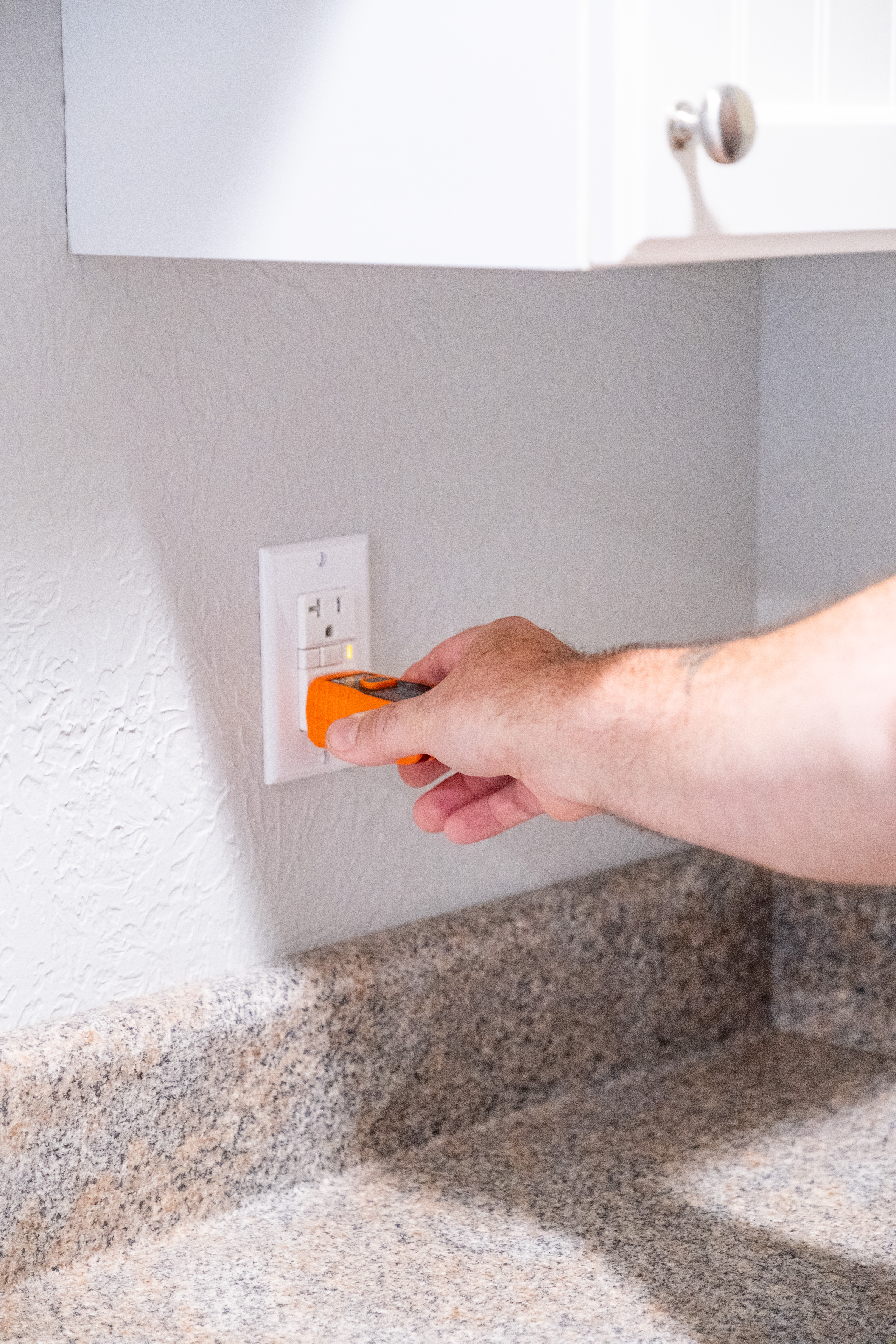
A light switch not working is more than an annoyance. It can signal a wiring issue, a tripped GFCI, or a failing device. In this guide, you will learn safe checks you can do today, how to spot red flags that require a pro, and the fast fixes our licensed Roanoke electricians use to restore power safely. If you need quick help, we are ready to respond today.
Start Here: Is It the Bulb, the Fixture, or the Switch?
When a light switch fails, begin with the easy wins. Swap the bulb with a known-good bulb and confirm the fixture works. If the fixture has a separate pull chain or built-in switch, test it. Check whether other lights on the same circuit work. If they do, the issue is likely isolated to the switch or fixture wiring.
Key steps to isolate the problem:
- Try a different bulb and verify the socket is clean and not corroded.
- Toggle the suspect switch fully on and off several times.
- Test another light on the same breaker. If multiple lights are out, it may be a breaker or upstream wiring issue.
- If the light is on a dimmer, set it to full brightness and test. Some LEDs will not respond well to older dimmers.
If the bulb and fixture check out, the switch is a prime suspect. Standard toggle and rocker switches are mechanical devices that wear out. Frequent switching, heat, and vibration can loosen internal contacts over time.
Safety note: Never remove a switch cover without turning off the breaker. Use a non-contact voltage tester to confirm power is off before touching any wiring.
Check GFCI and AFCI Devices Before You Replace Anything
In many homes around Roanoke and Cave Spring, a bathroom or garage GFCI protects other outlets or lights downstream. A tripped GFCI can make a light switch appear dead even when the switch is fine. Press the Reset button on any GFCI in bathrooms, the garage, kitchen, exterior, or basement and see if power returns. Also check the electrical panel for AFCI or GFCI breakers with a flashing or tripped indicator.
Useful facts:
- GFCI devices are designed to cut power when they sense a ground fault of about 4 to 6 milliamps.
- AFCI breakers help detect arcing faults that can lead to fires. Many living areas must be AFCI protected under current codes.
- NEC rules require GFCI protection in wet or damp locations such as bathrooms, garages, and outdoor outlets. That protection can also cover lighting on the same circuit.
If resetting a GFCI restores your light, test it again using the Test button, then press Reset. If it trips again immediately, do not keep resetting. There may be moisture, a damaged fixture, or a wiring fault that needs a licensed electrician.
Common Causes of a Light Switch Not Working
Several issues can cause a nonresponsive switch. The most likely include:
- Worn switch contacts: Old or heavily used switches fail internally. Symptoms include intermittent flicker or a loose, mushy feel.
- Loose wiring at the terminals: Backstabbed connections on the rear of a switch can loosen with heat cycling. Side-screw terminations are generally more reliable.
- Failed dimmer compatibility: Some dimmers are not rated for LED loads or for the total wattage on the circuit. Overheating dimmers often reduce output or shut off.
- Tripped GFCI or AFCI upstream: As noted above, a protected circuit can cut power to multiple downstream devices.
- Breaker or shared neutral issues: A partially tripped breaker or a multi-wire branch circuit with a loose neutral can cause odd behavior.
- Fixture fault, not the switch: A shorted socket, bad ballast in older fluorescents, or an LED driver failure can look like a switch issue.
For older homes in Salem and Martinsville, two-prong ungrounded circuits or mixed wiring from past remodels may also be in play. That history can hide junction boxes behind walls or ceilings, which complicates diagnosis.
Safe DIY Checks You Can Do in Minutes
You can safely do a few non-invasive checks before calling for service.
- Confirm power at the panel: Look for a tripped breaker. A lightly tripped breaker handle may not look fully off. Turn it firmly off, then on.
- Reset nearby GFCI outlets: Bathrooms, garage, kitchen, exterior, and basement are common sources.
- Inspect the switch plate: If it is warm, charred, or smells like burnt plastic, stop and call a pro.
- Listen and observe: Buzzing, sizzling, or visible arcing are red flags.
- Label your findings: If several lights are out together, note the rooms. This helps your electrician pinpoint the circuit.
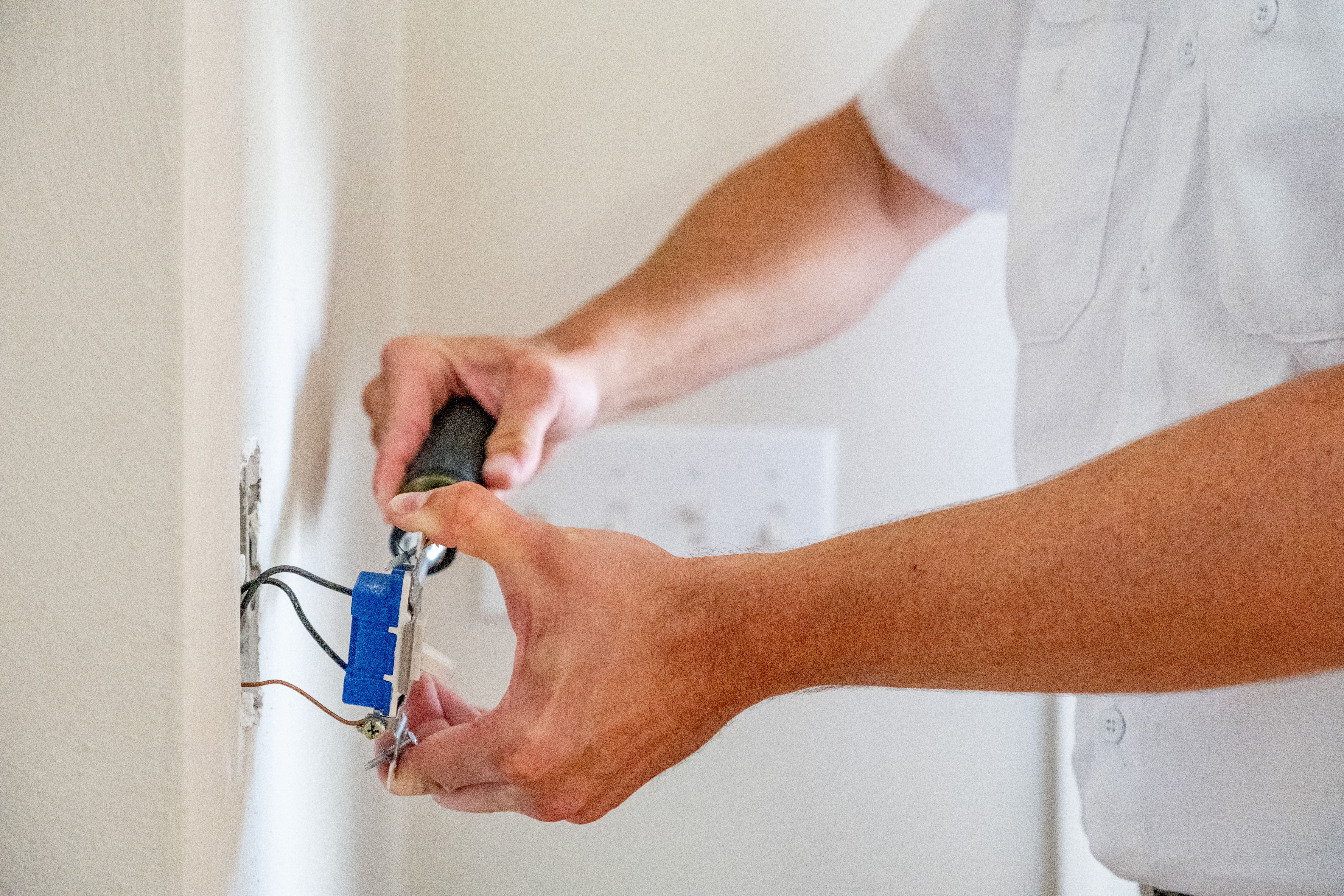
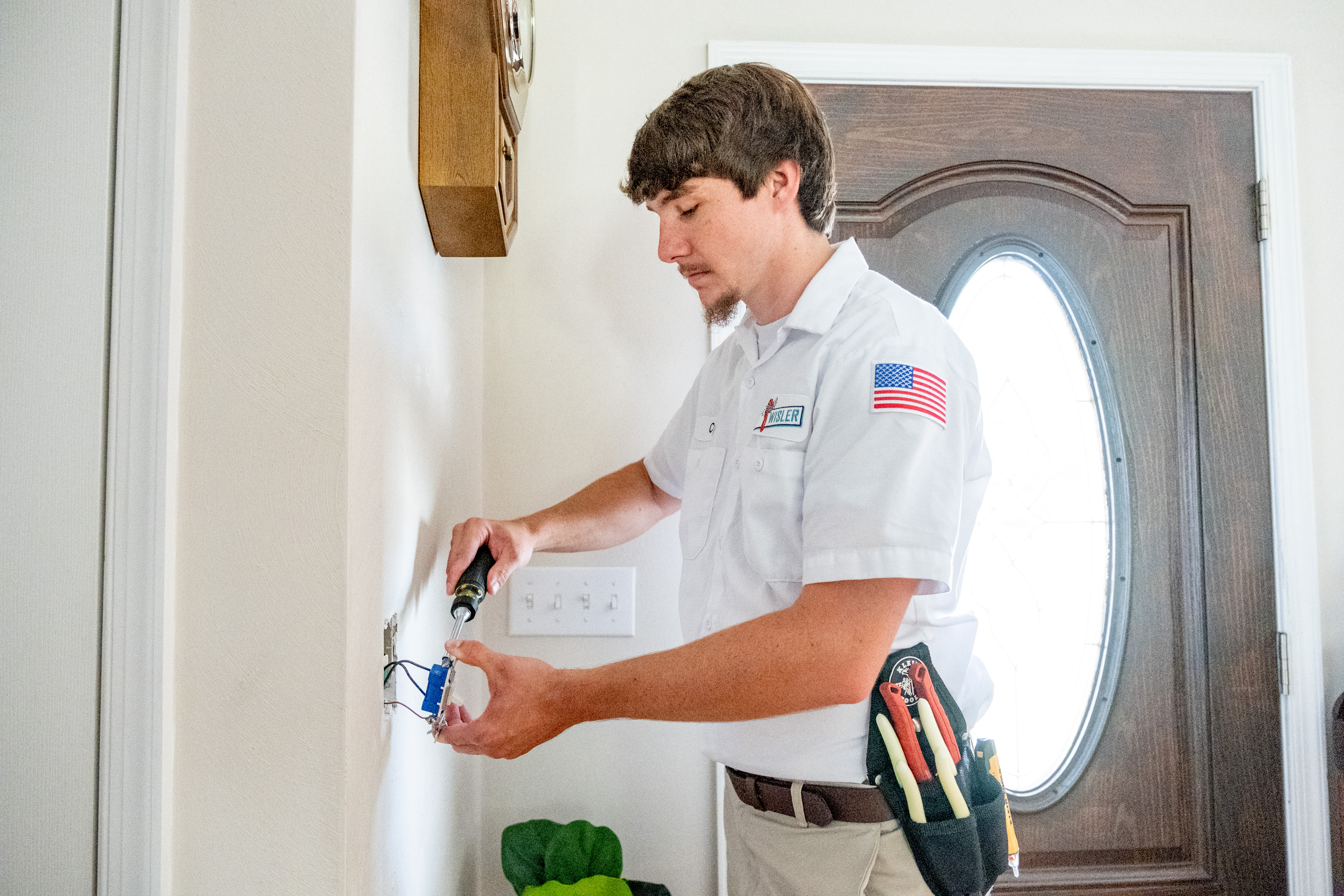
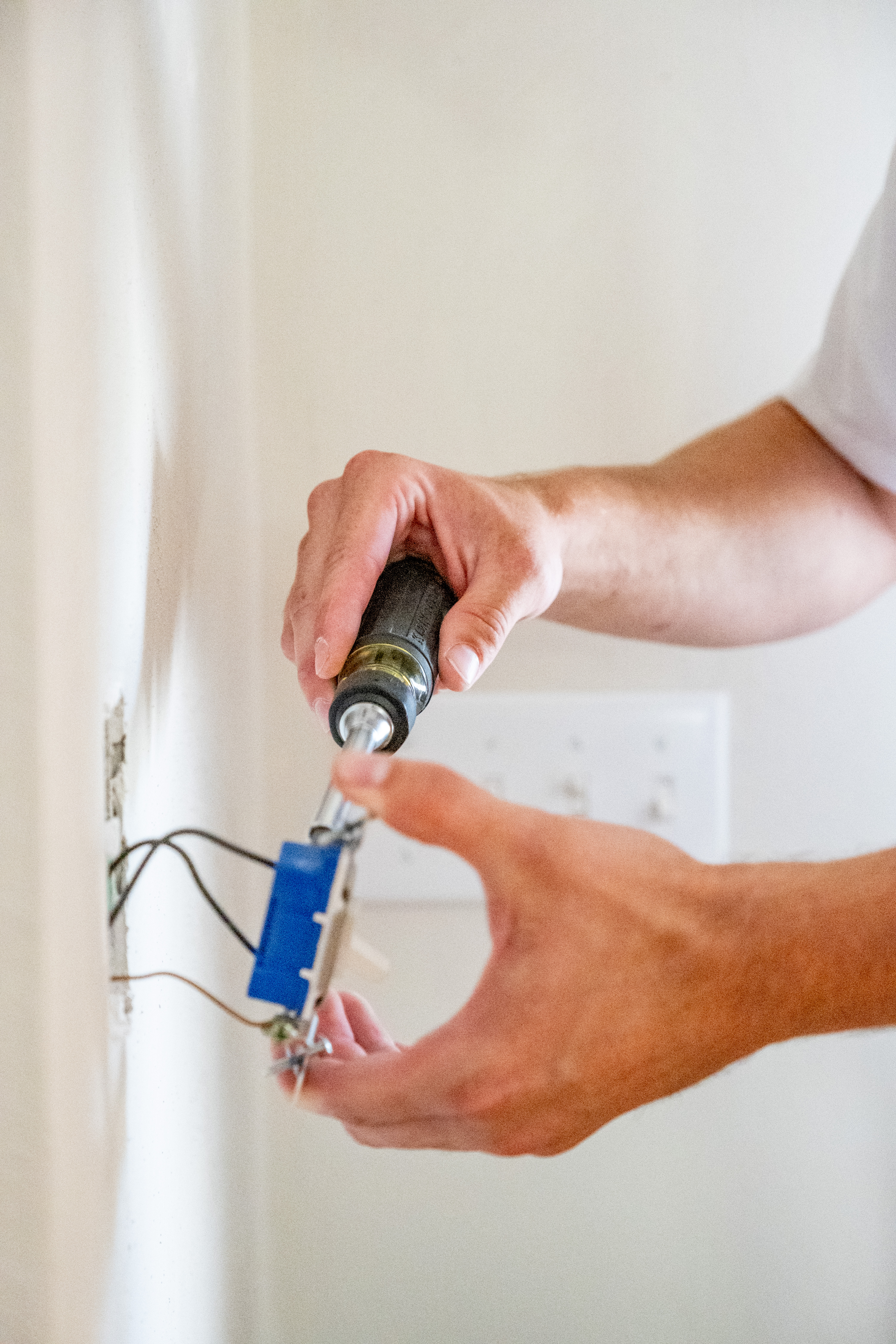
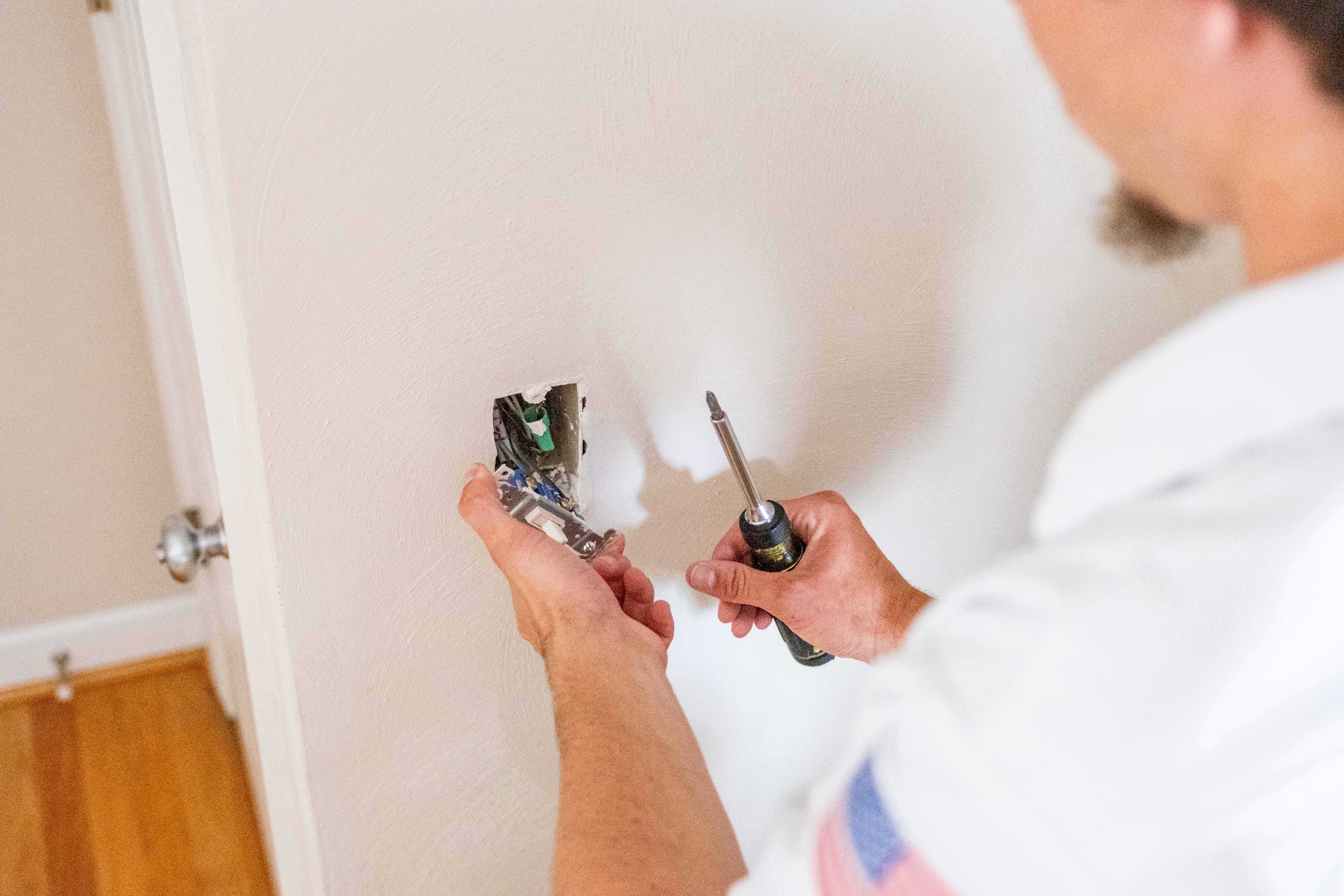
If you are comfortable and the breaker is off, you can remove the cover and gently tug the switch to inspect the wiring. Look for loose side screws, backstabbed wires that have slipped, or two wires under one screw. Only proceed if you have verified the power is off with a tester.
When the Dimmer Is the Culprit
Dimmers used with non-dimmable LEDs are a frequent cause of flicker and dropouts. Even with dimmable LEDs, older dimmers may not provide a stable low-end. Overheating is common if the dimmer controls too many fixtures.
What to check:
- Confirm the bulb package says dimmable.
- Add up the total LED wattage and compare to the dimmer rating.
- If the dimmer or wall plate feels warm, it may be overloaded.
- Consider an LED-compatible dimmer. Many have trim or calibration to reduce flicker.
If you replace a dimmer, match the style to the load type. For example, use an ELV or MLV rated dimmer for certain low-voltage fixtures. Always follow the manufacturer’s diagrams and verify box fill capacity.
Signs You Should Call a Licensed Electrician
Some symptoms indicate risk you should not troubleshoot on your own:
- Switch or plate is hot to the touch
- Burning smell, smoke, or visible scorch marks
- Repeated GFCI or AFCI trips
- Lights flicker across multiple rooms
- Aluminum branch wiring or knob-and-tube is present
- Evidence of moisture in boxes, common outdoors in Goodview and Wirtz after storms
Licensed electricians bring test instruments that measure voltage drop, continuity, and load. We also evaluate panel capacity, grounding, and arc fault protection to make sure the entire system is safe and code compliant.
Professional Repair Process We Use in Roanoke Homes
Homeowners often want to know what to expect. Here is our typical workflow when a light switch is not working:
- Safety first: Lock out the breaker, verify absence of voltage, and test GFCI/AFCI devices.
- Inspect the device box: Confirm box size, check for overheating, brittle insulation, or signs of moisture.
- Evaluate terminations: Replace any backstabbed connections with secure side-screw terminations and pigtails where needed.
- Test the circuit: Verify neutral continuity and check load at the fixture. Inspect for shared neutrals on multi-wire branch circuits.
- Replace the device: Install a new switch or a listed, LED-compatible dimmer. Use proper torque and support.
- Verify grounding and labeling: Confirm ground continuity and update panel labels for clarity.
- Code and safety review: Recommend GFCI or AFCI protection where required and correct any deficiencies.
Results you can expect: a switch that responds reliably, no flicker, proper grounding, and protection that meets current code requirements.
GFCI, AFCI, and Code Basics That Protect Your Home
Beyond fixing a single switch, safety devices protect your family and property.
- GFCI protection reduces the risk of shock in wet or damp areas and outdoors. Test monthly using the Test and Reset buttons.
- AFCI protection reduces the risk of electrical fires from arcing faults, especially in bedrooms and family rooms.
- Kitchens, bathrooms, garages, unfinished basements, and outdoor receptacles require GFCI protection under national standards. Many areas also require AFCI in most living spaces.
Grounding improvements and correct bonding are essential in older properties around Rocky Mount and Vinton. Upgrading a few key components can help breakers trip as designed and reduce nuisance issues.
Outdoor and Garage Switch Problems After Rain
If your porch or garage light switch stops working after a storm, moisture is a likely cause. Water can enter boxes through unsealed covers or conduit, trip a GFCI upstream, or corrode terminations. In the Roanoke Valley, fast-moving summer storms and winter freeze-thaw cycles are hard on exterior boxes.
Practical steps:
- Reset GFCI outlets in the garage and exterior.
- Inspect covers. Weather-resistant covers that close fully over the device are best.
- Ask for weather-resistant, tamper-resistant receptacles outdoors. They are designed for harsh conditions.
- Replace rusted screws or cracked plates to maintain the seal.
If moisture is present in the box, the safest move is to leave the breaker off and schedule service.
Upgrade Options: Make the Most of a Service Visit
If a light switch is not working and we are already on site, consider upgrades that improve safety and convenience.
- Smart switches and dimmers that work with LED loads and common platforms
- Tamper-resistant outlets in kid zones for added safety
- Night-light or guide-light switches in hallways and baths
- Occupancy sensors in closets, laundry rooms, and garages
- GFCI or dual-function AFCI/GFCI breakers where appropriate
Small upgrades during a single visit save on trip charges and bring your wiring closer to current standards. We provide transparent pricing and written estimates before work begins.
Preventive Maintenance That Pays Off
Routine inspections catch loose terminations and overloaded devices before they fail. Our licensed electricians perform whole-home electrical checkups that include panel torque checks, GFCI/AFCI testing, thermal scanning on request, and documentation of any code gaps.
Two practical facts that matter:
- Most lighting and receptacle circuits are 15 or 20 amps. Using devices and extension cords rated for the circuit prevents overheating.
- Loose connections create resistance, which creates heat. Tight, properly torqued terminations extend device life and reduce fire risk.
Homeowners on maintenance plans receive prioritized scheduling and repair credits, which is helpful during peak season when storms or heat waves increase electrical issues.
When Replacement Beats Repair
If you have these conditions, replacement is the smart choice:
- Cracked device body or broken toggle
- Repeated intermittent operation after re-termination
- Heat damage or discoloration on the device or cover
- Old dimmer not compatible with LED loads
- Aluminum branch wiring without proper connectors
We stock high-quality, residential-grade switches, dimmers, and specialty devices on our trucks so most issues are resolved in one visit across Roanoke, Cave Spring, and Salem.
Cost, Timing, and What Affects Your Quote
Prices vary by device type, access, and any code corrections needed. A basic switch replacement is usually quick. Costs increase if we must correct backstabbed wiring throughout a circuit, replace a faulty fixture, or add GFCI or AFCI protection. You will receive a clear, upfront estimate before work begins, and financing is available on qualifying projects.
Most single-switch fixes are completed the same day. More complex issues, such as circuit tracing in older homes or moisture remediation outdoors, may require additional time. Our goal is a safe, code-compliant solution that lasts.
Reviews
What Homeowners Are Saying
"I called Wisler Electrical because we had a dead outdoor power outlet. Within minutes they checked all the GFI outlets and the breakers in the power panel... As an extra project, I asked if they had time to put an extra outlet on our patio. They did that for me as well.Many thanks to Michiah and Charles for an efficient, professional job!!"
–Customer, Roanoke
"Austin is great! Knowledgeable, explained all options and friendly. He replaced an electrical outlet. I will be using Wisler for any future needs."
–Customer, Roanoke
Frequently Asked Questions
Why does my light work sometimes but not always?
Intermittent lights often point to a worn switch, a loose backstabbed connection, or a failing dimmer. Less often, a shared neutral or fixture driver issue is to blame. A licensed electrician can test and re-terminate safely.
Can a GFCI make my light switch stop working?
Yes. If the light is downstream of a GFCI outlet or breaker, a trip will cut power to the switch and fixture. Reset the nearest GFCI in bathrooms, garage, kitchen, or exterior, then test again.
Is it safe to replace a light switch myself?
Turn off the breaker, verify with a non-contact tester, and follow device instructions. If you see aluminum wiring, heat damage, or multiple circuits in the box, call a licensed electrician.
Why is my dimmer warm to the touch?
Dimmers dissipate heat during normal operation, but they should not be hot. Excess heat can indicate overload or LED incompatibility. Reduce the load or upgrade to an LED-rated dimmer.
How much does it cost to fix a light switch not working?
Costs depend on device type, access, and any code corrections. Simple replacements are usually quick. You receive a written, upfront estimate before work begins.
Conclusion
A light switch not working can be a simple fix or a sign of a larger safety issue. Start with basic checks, then call our licensed team for fast, code-compliant repairs in Roanoke and nearby. We back every job with a 100% satisfaction guarantee and transparent pricing.
Ready for Fast, Safe Repairs?
Call Wisler Plumbing, Heating, Cooling & Electric at (540) 238-0320 or schedule online at https://callwisler.com/. Same-day electric service in Roanoke, Cave Spring, Salem, Vinton, and beyond. Get clear options, upfront pricing, and workmanship that meets current code. Your home, powered safely.
About Wisler Plumbing, Heating, Cooling & Electric
Proudly serving Roanoke since 1986, Wisler delivers licensed, background‑checked electricians, transparent pricing, and a 100% satisfaction guarantee. We provide same‑day service across Roanoke, Salem, Vinton, and nearby communities. Our team is trained weekly on code and safety, and we offer financing options on qualifying projects. One trusted local brand for electrical, plumbing, heating, and cooling.
Sources12
Source links open in a new tab.
- Free estimates for new installationscallwisler.com (opens in a new tab)
- The cost is only $24/ month, or about $0.77 a day! Only $24/month — about $0.77 a day. Minimum one-year contract required.callwisler.com (opens in a new tab)
- To learn more about generator installation in Roanoke, VA or the surrounding areas, or to request a free quote, give us a call now at (540) 924-3521.callwisler.com (opens in a new tab)
- Same-day, Free Estimates: We repair and replace all types of water heaters promptly, including electric, gas, tank, tankless, and heat pump models.callwisler.com (opens in a new tab)
- Happy comment by Alan Kelleygoogle.com (opens in a new tab)
- Happy comment by Arno Fujigoogle.com (opens in a new tab)
- Happy comment by Marjorie Muttergoogle.com (opens in a new tab)
- Happy comment by Donald Pruntygoogle.com (opens in a new tab)
- Roanoke, VA Electrical Panel Upgrades | Service Panel Replacement, Fuse Box to Breaker Conversion & Capacity Increasecallwisler.com (opens in a new tab)
- Roanoke, VA Heating Maintenance & Safety Tune-Ups | Furnace & Heat Pump Inspections, Cleaning & Fall Checkupscallwisler.com (opens in a new tab)
- Roanoke, VA Plumbing, HVAC & Electrical Services | Trusted Local Plumbers, Heating & Air Conditioning Expertscallwisler.com (opens in a new tab)
- Fincastle VA HVAC, Plumbing & Electrical Services – Trusted Technicians for Your Homecallwisler.com (opens in a new tab)