Cave Spring VA EV Charger Installation by Electricians
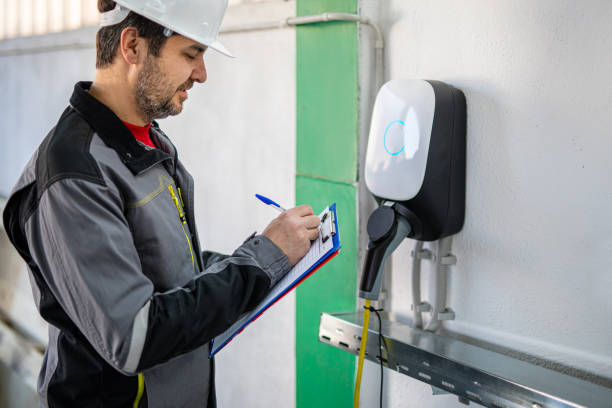
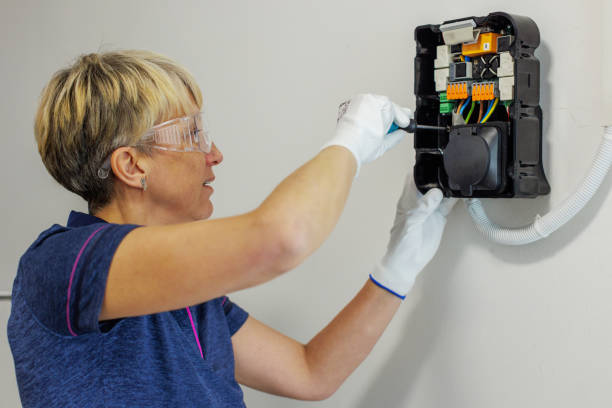
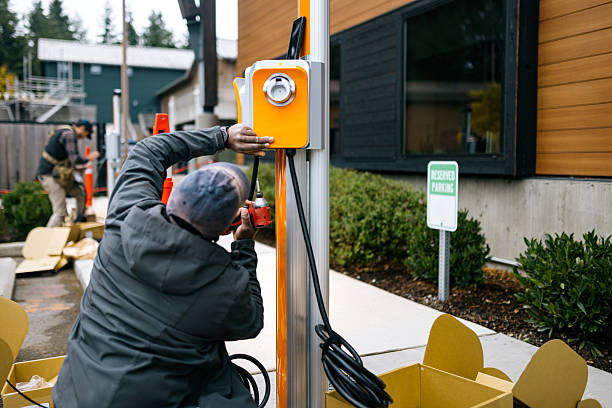
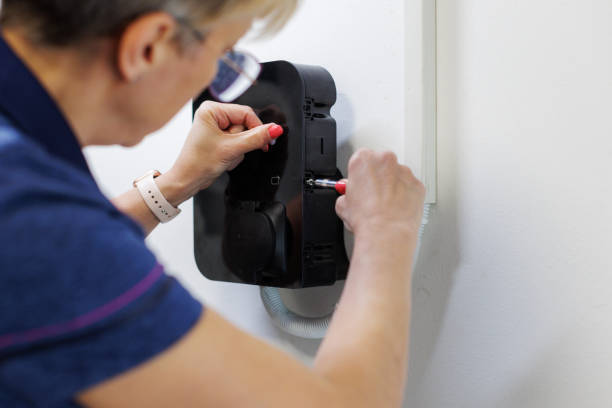
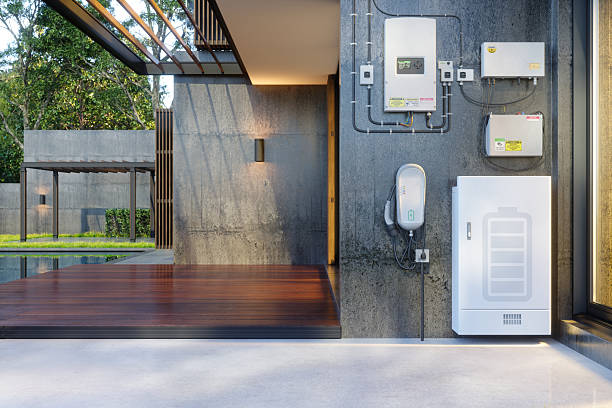
If you are adding a home charger, you are likely asking, do you need an electrician for EV charger installation? Short answer: yes, if you want it safe, code‑compliant, and reliable. A licensed electrician protects your home, your vehicle, and your warranty. Below, we explain permits, panel capacity, Level 1 vs. Level 2, and local steps in the Roanoke Valley, plus ways to save with current offers.
Do You Really Need a Licensed Electrician for an EV Charger?
Installing a Level 1 cord can seem as simple as plugging in, but a dedicated circuit and proper GFCI protection are often required for safety. For Level 2, a licensed electrician is essential. The National Electrical Code (NEC) Article 625 governs Electric Vehicle Supply Equipment. Local authorities require code compliance and, in many cases, permits and inspections.
Here is why professional installation matters:
- Load calculations and panel capacity
- Your home’s panel must handle the added continuous load of a charger. A pro performs NEC‑based load calcs to confirm capacity or recommend an upgrade.
- Circuit sizing and wiring methods
- Wire gauge, breaker size, and conductor type must match the charger’s rating and run length. Mistakes create heat and nuisance trips.
- GFCI and disconnect requirements
- EV circuits frequently require GFCI protection and an accessible means of disconnect depending on location.
- Grounding and bonding
- Correct grounding protects people and equipment. Improper bonding can damage electronics.
- Permits and inspections
- In Roanoke, Salem, and Rocky Mount, permits help ensure safe, insurable work.
Bottom line: using a licensed electrician limits fire risk, satisfies code, and keeps homeowners insurance from getting complicated after a claim.
What to Expect During a Professional EV Charger Installation
A streamlined process prevents delays and costly rework. Here is our standard approach for homes in Roanoke, Cave Spring, Vinton, and nearby:
- Site assessment
- Confirm panel size, breaker spaces, grounding, and charger location relative to parking.
- Load calculation and price options
- We provide clear options for circuit size, charger placement, and any panel or subpanel upgrades.
- Permitting
- We obtain required permits and coordinate inspection with your local jurisdiction.
- Dedicated circuit installation
- Install new 240‑volt circuit for Level 2 chargers, route conduit as needed, and set the correct breaker.
- Mounting and connections
- Mount wall unit or install outlet for plug‑in models. Verify torque specs and terminations.
- Testing and commissioning
- Verify voltage, GFCI operation, communication lights, and a successful initial charge.
- Walkthrough and maintenance tips
- Explain safe charging practices, cable management, and when to call for service.
This method yields a clean, code‑compliant install and reduces callbacks.
Level 1 vs. Level 2: Which Is Right for Your Home?
Choosing the right charger depends on your commute, panel capacity, and schedule.
- Level 1 charger
- "This is a basic charger that can be plugged into a standard 120‑volt outlet. It provides a slow charging rate of about 4‑5 miles per hour, making it suitable for overnight charging."
- Level 2 charger
- "This is the most common type of home charger and requires a 240‑volt electrical circuit. It offers a faster charging rate of 25‑30 miles per hour and is ideal for homeowners who need to charge their electric vehicles more quickly."
Guidelines to decide:
- Choose Level 1 if you drive under 25 miles most days and can leave the car plugged in overnight.
- Choose Level 2 if you need faster recovery after errands, have multiple drivers, or plan future EVs.
- Consider panel capacity. Many older homes have 100‑amp panels. Your electrician will confirm if a load‑shedding device, subpanel, or upgrade is smarter.
Our team can "provide you with the most advanced options on the market and install them for you," ensuring the solution fits your home and habits.
Safety, Compliance, and Warranty Protection
EV charging is a continuous load. That reality makes installation quality critical.
- Code and inspections
- We install to NEC Article 625 and applicable local amendments. Final inspections validate safety.
- Equipment ratings
- We use UL‑listed devices and correct breaker types. Outdoor locations need weather‑rated enclosures.
- GFCI and AFCI considerations
- Many Level 2 chargers need GFCI protection. We select compatible breakers to prevent false trips.
- Cable management
- Proper strain relief and routing prevent insulation wear and tripping hazards.
- Warranty and support
- Manufacturer warranties often require licensed installation. Our company commitment: "We stand by our work, providing follow‑up services and honoring warranties to ensure continued satisfaction and peace of mind."
With 37+ years serving the Roanoke Valley, we back each job with a 100% satisfaction guarantee, which adds another layer of confidence.
Costs, Timelines, and What Affects Your Price
Budgets vary by home and charger model, but the cost drivers are predictable:
- Distance from panel to charger location. Longer runs cost more due to wire and labor.
- Need for a subpanel or main panel upgrade to support a new 240‑volt circuit.
- Surface mounted conduit vs. concealed runs in finished spaces.
- Outdoor vs. indoor mounting and trenching for detached garages.
- Permitting and inspection fees set by your local authority.
Typical timeline:
- Same‑week assessments in most Roanoke, Salem, and Rocky Mount neighborhoods.
- Installation often completed in a single day once permits are ready.
- Inspection within a few business days, depending on the jurisdiction.
We offer free estimates for new installations, so you can compare options before committing.
Common Pitfalls of DIY or Handyman Installs
Homeowners are smart to ask what can go wrong. Here are the missteps we fix most often:
- Undersized wiring on high‑amp chargers leading to hot breakers and nuisance trips.
- Shared circuits with freezers or garage outlets that trip in the night.
- No GFCI protection on garage or outdoor locations.
- Incorrect receptacle type for plug‑in chargers, causing loose connections.
- Outdoor installs without in‑use covers or weatherproof fittings.
- No permit, which can complicate resale or insurance claims after an incident.
A licensed electrician prevents these issues and documents code compliance for your records.
Service After the Install: Maintenance, Support, and Upgrades
EV chargers are reliable but benefit from periodic checks, especially in garages with dust and temperature swings.
- Annual safety checks
- Verify torque on terminations, inspect conduit seals, and test GFCI function.
- Firmware and app updates
- Many smart chargers improve performance through updates.
- Troubleshooting and repairs
- Our team provides installation and service for Electric Vehicle Supply Equipment and supports warranty claims when needed.
- Future‑proofing
- Planning for a second EV or solar integration is easier when conduit and panel space are considered today.
We do not publish an EV‑specific maintenance plan, but our membership program includes electrical maintenance benefits that can support your system.
Local Know‑How: Roanoke Valley and Nearby Communities
Homes in neighborhoods like Cave Spring and Vinton often have panels mounted in garages, which can reduce material costs for straight, short runs. Older homes closer to downtown may need creative routing or load management to avoid a full service upgrade. We handle permitting for Roanoke, Salem, Rocky Mount, Martinsville, and more, and coordinate scheduling to minimize downtime.
If you are working on a remodel or finishing a garage, we can bundle scope with plumbing or HVAC work to save time and trips. That is where our whole‑home team becomes an advantage.
Special Offers for EV Charger Installation
- Free estimates for new installations. Expires 2026‑08‑05. Call (540) 238‑0320 or visit https://callwisler.com/
- Bundling coupon: Save 5% when combining trades (Plumbing, HVAC, Electrical, Water Treatment). Expires 2026‑08‑05. Call for details.
- Community Heroes Discount: 5% off for Seniors 65+, Veterans, and First Responders with ID. Expires 2026‑08‑05.
- Diamond Club Membership: Only $24 per month. Includes 1 annual electrical maintenance visit and 10% discount on service repairs, plus member‑only promotions and giveaways.
Frequently Asked Questions
Do I need a permit to install a Level 2 home charger?
Most local jurisdictions require an electrical permit and inspection for Level 2. Permitting documents safe, insurable work and helps protect resale value. We handle permits for you.
Can my 100‑amp panel support a Level 2 charger?
Sometimes. It depends on your total home load. We perform a NEC‑based load calculation and recommend options, such as a load‑shedding device, subpanel, or a main panel upgrade.
How long does installation take?
After permits are approved, most installations finish in one day. Inspections usually occur within a few business days, depending on your local authority’s schedule.
Will a professional install protect my warranty?
Many manufacturers require licensed installation for warranty validity. We document the job and provide support if a warranty claim is ever needed.
Which is better for me, Level 1 or Level 2?
Choose Level 1 for low daily mileage and overnight charging. Choose Level 2 if you need faster charging, have multiple drivers, or plan for future EVs. We help you decide on‑site.
Conclusion
For safety, code compliance, and long‑term reliability, you do need an electrician for EV charger installation. Licensed pros follow NEC Article 625, size circuits correctly, and protect warranties. In the Roanoke Valley, we make permitting, installation, and inspection simple.
Call to Action
Ready for a safe, fast home charger in Roanoke, Salem, Rocky Mount, or nearby? Get your free estimate before 2026‑08‑05 and ask about our 5% bundle or Community Heroes savings. Call (540) 238‑0320 or schedule at https://callwisler.com/ today.
Call (540) 238‑0320 or schedule at https://callwisler.com/ to claim your Free Estimate for new EV charger installations. Ask for the 5% Bundling Coupon or 5% Community Heroes Discount before 2026‑08‑05.
About Wisler Plumbing, Heating, Cooling & Electric
For 37+ years, Wisler has served Roanoke, Salem, Rocky Mount, and nearby communities with licensed, background‑checked technicians. We back every job with a 100% satisfaction guarantee and transparent pricing. Our team provides installation and service for Electric Vehicle Supply Equipment and follows NEC Article 625 and local permitting. Recognitions include Virginia Business Best Places to Work 2024 and Angi 2022 Super Service Award. When you want safe, code‑compliant electrical work done right the first time, call Wisler.
Sources9
Source links open in a new tab.
- Only $24/month — about $0.77 a day. Minimum one-year contract required.callwisler.com (opens in a new tab)
- Happy comment by Terry Arringtongoogle.com (opens in a new tab)
- Happy comment by Ronald Campbellgoogle.com (opens in a new tab)
- Happy comment by James McFaddengoogle.com (opens in a new tab)
- Happy comment by June Bentleygoogle.com (opens in a new tab)
- Roanoke, VA EV Charger Installation | Home Electric Vehicle Charging Station Setup (Level 2 EVSE Specialists)callwisler.com (opens in a new tab)
- Penhook VA Plumbing, Heating & Cooling Services – Certified Technicians for All Home Systemscallwisler.com (opens in a new tab)
- Troutville VA Plumbers, Electricians & HVAC Pros – Trusted Home Comfort & Repair Expertscallwisler.com (opens in a new tab)
- Ferrum VA Plumbing, Heating & Cooling – Local HVAC and Plumbing Repair Specialistscallwisler.com (opens in a new tab)