Moneta VA EV Charger Installation Costs — Homeowners' Guide
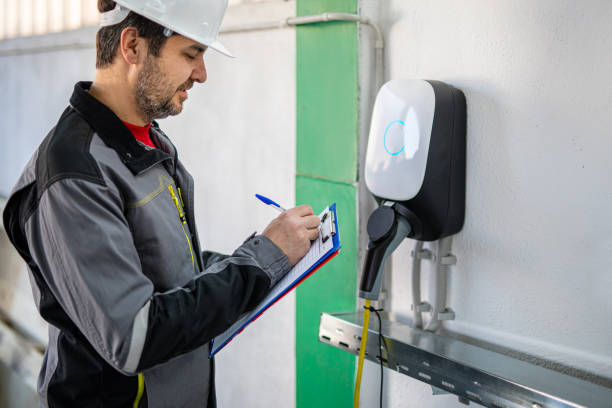
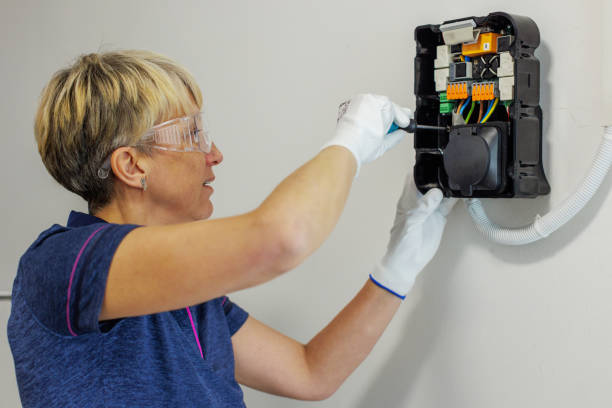
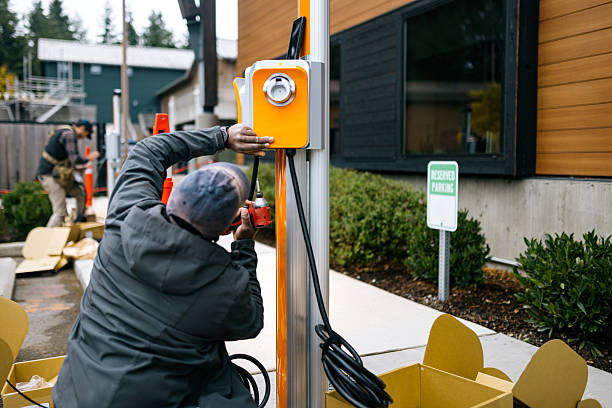
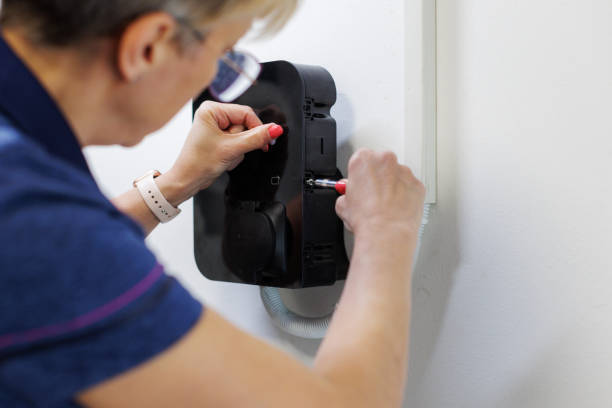
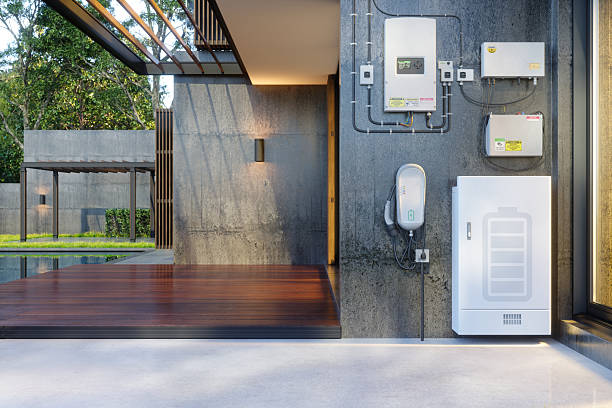
Sticker shock is common when homeowners first search EV charger installation cost. The truth is that a safe, code‑compliant setup can range widely based on your home’s electrical system and charger choice. In this guide, we break down real‑world costs in the Roanoke area, how to avoid surprise add‑ons, and when a Level 1 or Level 2 charger makes the most sense. Plus, see simple ways to save before you schedule a free estimate.
EV Charger Types and How They Impact Cost
Not all chargers are equal, and the type you choose is the first big cost driver.
- Level 1: “This is a basic charger that can be plugged into a standard 120-volt outlet. It provides a slow charging rate of about 4-5 miles per hour, making it suitable for overnight charging.” Equipment costs are minimal if you already own the portable cord that came with your vehicle. Installation is often limited to verifying the circuit is safe and dedicated.
- Level 2: “This is the most common type of home charger and requires a 240-volt electrical circuit. It offers a faster charging rate of 25-30 miles per hour and is ideal for homeowners who need to charge their electric vehicles more quickly.” Installation typically involves a new 240‑volt circuit, a properly sized breaker, and either a hardwired unit or a NEMA receptacle.
Key considerations that change pricing:
- Hardwired vs. plug‑in: Hardwired is cleaner and often better outdoors. Plug‑in may save labor if a suitable receptacle already exists.
- Amperage: A 40‑ to 60‑amp circuit supports faster charging but may require heavier wire and a larger breaker.
- Location: Long wire runs, finished walls, or detached garages increase labor.
Two hard facts to anchor your decision:
- The National Electrical Code Article 625 governs Electric Vehicle Supply Equipment. That means dedicated circuits, proper load calculations, and correct overcurrent protection are not optional.
- For receptacles that serve EVSE, GFCI protection is required by the NEC. This safety feature reduces shock risk and can influence breaker selection and cost.
Typical Price Ranges in the Roanoke Area
Actual costs vary, but these ballparks will help you budget for a professional, code‑compliant job in Roanoke, Salem, Vinton, and nearby communities:
- Level 1 safety check or outlet verification: Minimal to a few hundred dollars when no new wiring is needed. Common for newer garages where a dedicated 120‑volt circuit already exists.
- Standard Level 2 installation near the main panel: Often mid‑hundreds to low thousands. This assumes a short run, surface‑mounted conduit in a garage, and no panel upgrade.
- Premium or complex Level 2 installation: Can reach the higher end of the low‑thousands when you factor in long wire runs, finished drywall, attic or crawl routing, or an outdoor hardwired unit with weatherproofing.
- Panel upgrades or service changes: If your panel is full or undersized for the new load, budgeting in the multi‑thousand range is common. Older 100‑amp services in classic Roanoke bungalows may need an upgrade to safely add a 50‑ or 60‑amp EV circuit.
What this means for you: a simple installation may cost less than you expect, but hidden conditions can add up. A free on‑site estimate is the only way to confirm your exact price.
The Biggest Cost Drivers You Should Plan For
Understanding these factors prevents surprise charges later:
- Electrical panel capacity
- If you have open breaker spaces and enough amperage, you may only need a new 2‑pole breaker and wiring.
- No space or limited capacity can trigger a subpanel or a full service upgrade.
- Distance from panel to charger location
- Longer runs need more copper or aluminum conductor and more labor time.
- Finished walls or ceilings increase routing complexity and patching considerations.
- Indoor vs. outdoor installation
- Outdoor EVSE requires weather‑rated equipment, enclosures, and penetrations sealed to code.
- Mounting surface and aesthetics
- Surface conduit is efficient and economical. Concealed wiring in finished spaces improves looks but costs more.
- Charger amperage and brand
- Higher‑amp units require thicker wire and larger breakers.
- Smart features add convenience and may qualify for rebates, but they raise equipment cost.
- Permitting and inspection
- Most jurisdictions require an electrical permit and inspection for new EV circuits. Professional handling keeps your project legal and insurable.
Level 1 vs. Level 2: Which Is Right for Your Driving?
Use your miles and schedule to decide:
-
Choose Level 1 if:
- You drive fewer than 30–40 miles most days.
- You can leave the car plugged in overnight and do not need a quick top‑off.
- You prefer the lowest upfront cost.
-
Choose Level 2 if:
- You want 25–30 miles of range per hour of charge.
- Your household has two EVs or frequent back‑to‑back trips.
- You value smart scheduling to align with off‑peak utility rates.
Energy savings tip: ENERGY STAR certified EV chargers use about 40% less standby energy than standard models. Over the years, that cuts waste while the unit sits idle.
What a Professional, Code‑Compliant Install Includes
When you hire a licensed electrician, you are paying for more than a receptacle and some wire. A proper scope often includes:
- Load calculation to confirm your panel can safely handle the EV circuit.
- Dedicated 240‑volt circuit with the correctly sized overcurrent device.
- GFCI protection where required by code.
- Proper conductor type and sizing for the run length and installation environment.
- Weather‑rated materials and labeling for outdoor or garage locations.
- Permitting with the local authority and coordination of inspections.
- Functional testing with your EVSE and basic orientation on use.
- Warranty and post‑installation support.
At Wisler, our service promise is clear: “Installation & Service of Electric Vehicle Supply Equipment,” followed by real accountability. “We stand by our work, providing follow-up services and honoring warranties to ensure continued satisfaction and peace of mind.”
How to Prevent Surprise Add‑Ons
Good planning avoids rework and cost creep. Before your estimate, gather:
- Panel photo with the door open and a clear shot of all breakers.
- Photos of the desired charger location, inside and outside if applicable.
- Your preferred charger model and amperage setting.
- Any remodeling plans that might affect routing or finishes.
During the estimate, ask:
- Is my panel capacity sufficient for this circuit size?
- What is the exact path of the run and how will it look?
- Will this require drywall cuts or exterior penetrations?
- What permit and inspection steps are included?
- Is GFCI protection on the breaker or in the device, and why?
Rebates, Incentives, and Ways to Save
- Utility programs: Many utilities offer time‑of‑use rates that lower costs for overnight charging. Some also provide rebates for approved Level 2 units. Availability changes, so we will help you check current local options during your estimate.
- Tax credits: Federal incentives for EVs and charging equipment have changed over time. We will point you toward credible, current resources so you can confirm eligibility.
- Smart scheduling: Even without special rates, charging in off‑peak hours can reduce your monthly bill.
- Right‑sizing: Do not oversize the circuit. A 40‑ or 50‑amp setup is plenty for most households, keeps costs down, and is easier on older panels.
Outdoor vs. Garage Installations in Our Region
Roanoke area homes vary widely, from newer builds in Cave Spring to older cottages in Vinton and Rocky Mount. That mix affects installation details:
- Detached garages and long driveways can require trenching or exterior conduit, which adds time and materials.
- Older homes may have 100‑amp services that need evaluation before adding a 50‑ or 60‑amp EV circuit.
- Mountain weather means solid weatherproofing and correct NEMA enclosures outdoors. Expect in‑use covers and proper sealing through exterior walls.
If you are not sure which location is best, we will review options on‑site so you balance convenience, weather exposure, and cost.
DIY or Hire a Pro?
EV charging is not a simple outlet swap. Here is why licensed installers are recommended:
- Safety: EVSE draws high continuous load for hours. Undersized wiring or loose terminations create heat and fire risk.
- Compliance: Permits, inspections, and labeling protect your insurance and resale value.
- Performance: Correct conductor sizing and breaker selection prevent nuisance trips and underperformance.
- Warranty: Many manufacturers require professional installation to honor equipment warranties.
In short, cut corners once and you may pay twice. A professional job saves money over the life of the system.
Sample Scenarios and Ballpark Pricing Logic
These examples illustrate how scope changes impact price. Your home will differ, but the logic holds.
-
Townhome with panel in garage, short run
- Scope: 40‑amp circuit, 6–10 feet of conduit, NEMA 14‑50 receptacle, permit and inspection.
- Why it is affordable: Short run, simple routing, no drywall repair.
-
Single‑family home with panel in basement, charger in attached garage
- Scope: 50‑amp circuit, 35–50 feet of wire through basement joists, up into garage, GFCI breaker, surface conduit.
- Cost drivers: Longer run, labor for routing and penetrations.
-
Older Roanoke bungalow with full 100‑amp panel
- Scope: Service and panel upgrade to 200 amps, then 60‑amp hardwired EVSE, outdoor NEMA‑rated enclosure, permit and inspection.
- Cost drivers: Utility coordination, new panel, heavier gauge feeders, exterior equipment.
What You Can Expect When You Hire Wisler
- Free in‑home estimates for new installations in Roanoke, Salem, Rocky Mount, Vinton, Martinsville, Cave Spring, Collinsville, Hardy, Wirtz, and Goodview.
- Clear scope and fixed upfront pricing before any work begins.
- Licensed electricians who install per NEC Article 625, with GFCI protection where required.
- Fast scheduling and tidy workmanship. We treat your home with respect, clean up, and label everything.
- Post‑install support: We service what we install and honor warranties.
Maintenance and Longevity
EVSE is generally low‑maintenance, but a little care extends life:
- Keep connectors clean and dry. Inspect for scorching or corrosion.
- Make sure the cord hangs freely without strain.
- If a breaker trips repeatedly, stop using the charger and call for service.
- Schedule a safety check if you remodel, add large appliances, or change vehicles with higher charging rates.
Remember, we provide installation and service. If anything feels off, we will diagnose and correct it.
Red Flags That Increase Cost or Risk
- Sharing a circuit with other loads. EVSE requires a dedicated circuit.
- Using undersized extension cords for Level 1. Do not do it.
- Ignoring permits. Skipping inspections can void insurance and slow home sales.
- Installing a high‑amp charger on a small panel without a load calculation.
The Bottom Line
- Level 1 is the lowest cost and fine for light driving.
- Level 2 is the sweet spot for most households, with 25–30 miles of range per hour and strong resale appeal.
- Your exact price depends on panel capacity, distance, routing, and whether outdoor equipment is needed.
- A professional, code‑compliant install protects your home, warranty, and family.
Special Offer: Free Estimates for New EV Charger Installations
Get a professional, code‑compliant quote at no cost. Free estimates for new installations. Offer valid through 2026-08-05. Call (540) 238-0320 or request service at https://callwisler.com/.
Ready to start? Book today and we will confirm panel capacity, routing, permitting, and total price before any work begins.
Frequently Asked Questions
How much does EV charger installation cost in the Roanoke area?
Pricing ranges from a few hundred dollars for simple setups to the low‑thousands for typical Level 2 installs, with more for panel upgrades. An on‑site estimate is the only way to confirm.
Do I need a permit for a home EV charger?
In most jurisdictions, yes. New 240‑volt circuits typically require an electrical permit and inspection. We handle permitting and coordinate inspections for you.
Can my 100‑amp panel support a Level 2 charger?
Sometimes. A load calculation determines if there is capacity. If not, a subpanel or a full service upgrade may be needed for safety and code compliance.
Should I choose a hardwired or plug‑in Level 2 charger?
Hardwired is clean and weather‑resistant, ideal outdoors. Plug‑in can be flexible and cost‑effective if a suitable GFCI‑protected receptacle exists. We help you choose on‑site.
Will a Level 2 charger raise my electric bill a lot?
You will use more energy, but smart scheduling and off‑peak rates can lower the cost per mile. ENERGY STAR units also reduce standby energy use by about 40%.
Final Takeaway
A safe, efficient EV charger installation is an investment in convenience and home value. Expect costs to vary with panel capacity, circuit length, and indoor or outdoor setup. For most Roanoke‑area homes, a professionally installed Level 2 system delivers the best daily experience. When you are ready for a precise price, schedule your free estimate and we will map everything out.
We serve Roanoke, Salem, Vinton, Rocky Mount, and nearby neighborhoods.
Ready to Charge at Home the Right Way?
- Call Wisler at (540) 238-0320
- Book online: https://callwisler.com/
- Special: Free estimates for new EV charger installations through 2026-08-05
Get a licensed, code‑compliant install with clear pricing and a 100% satisfaction guarantee. Schedule today and start charging smarter at home.
About Wisler Plumbing, Heating, Cooling & Electric
Since 1986, our licensed electricians have served Roanoke, Salem, Rocky Mount, and nearby communities with transparent pricing and a 100% satisfaction guarantee. We deliver code‑compliant installs, quick response times, and respectful, tidy service. Our team is background‑checked and continuously trained. Awards include Virginia Business Best Places to Work 2024 and Angi Super Service Award 2022. Count on local expertise and workmanship we stand behind.
Sources10
Source links open in a new tab.
- Only $24/month — about $0.77 a day. Minimum one-year contract required.callwisler.com (opens in a new tab)
- To learn more about generator installation in Roanoke, VA or the surrounding areas, or to request a free quote, give us a call now at (540) 592-4793.callwisler.com (opens in a new tab)
- Happy comment by Cathy Pascalegoogle.com (opens in a new tab)
- Happy comment by Brad Claygoogle.com (opens in a new tab)
- Happy comment by Manny Alvaradogoogle.com (opens in a new tab)
- Happy comment by Britney Capitogoogle.com (opens in a new tab)
- Roanoke, VA EV Charger Installation | Home Electric Vehicle Charging Station Setup (Level 2 EVSE Specialists)callwisler.com (opens in a new tab)
- Penhook VA Plumbing, Heating & Cooling Services – Certified Technicians for All Home Systemscallwisler.com (opens in a new tab)
- Troutville VA Plumbers, Electricians & HVAC Pros – Trusted Home Comfort & Repair Expertscallwisler.com (opens in a new tab)
- Coupons - Wisler Plumbing, Heating, Cooling and Electriccallwisler.com (opens in a new tab)