Cave Spring, VA Indoor Air Quality Services — Home Air Tests
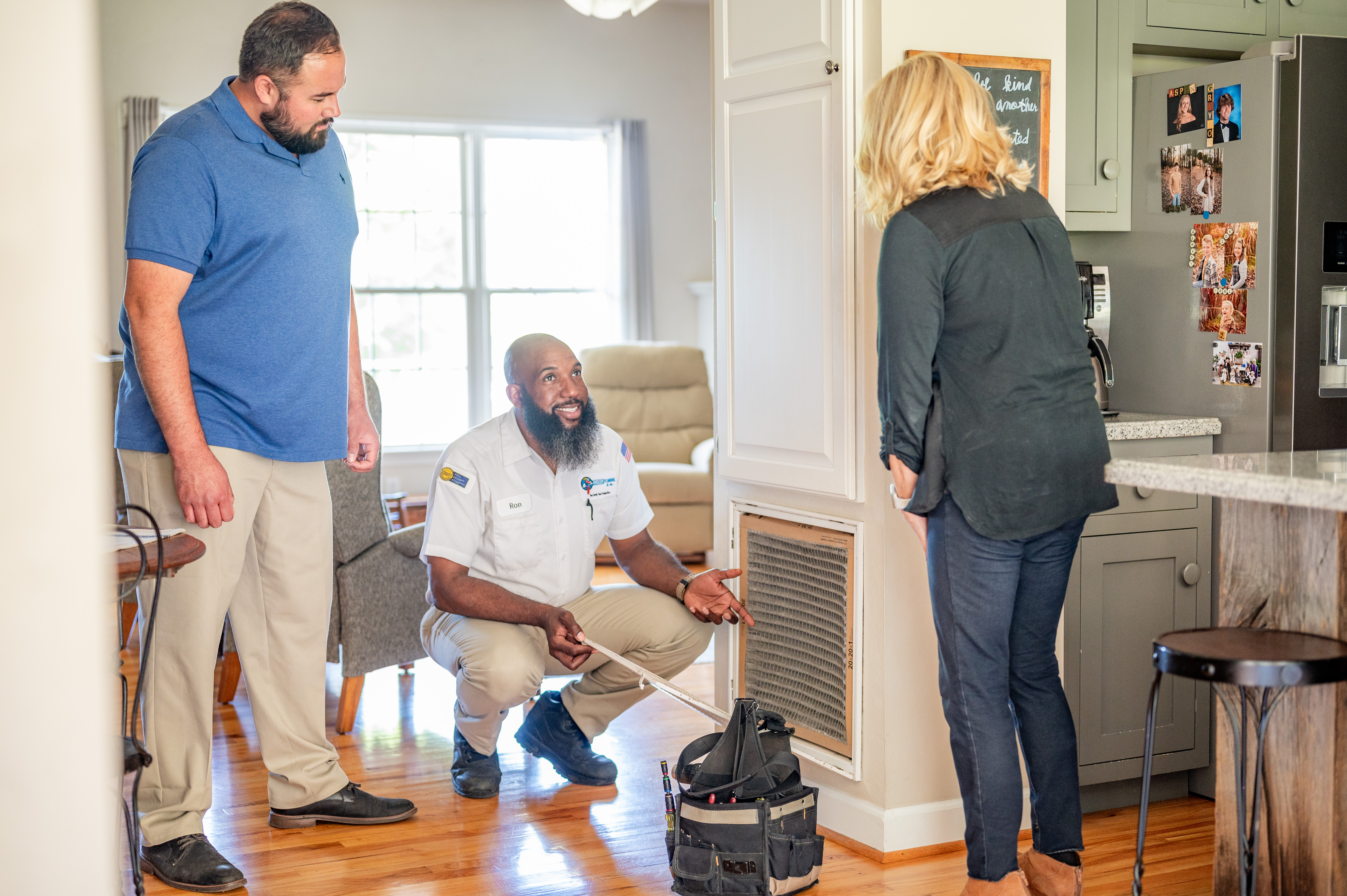
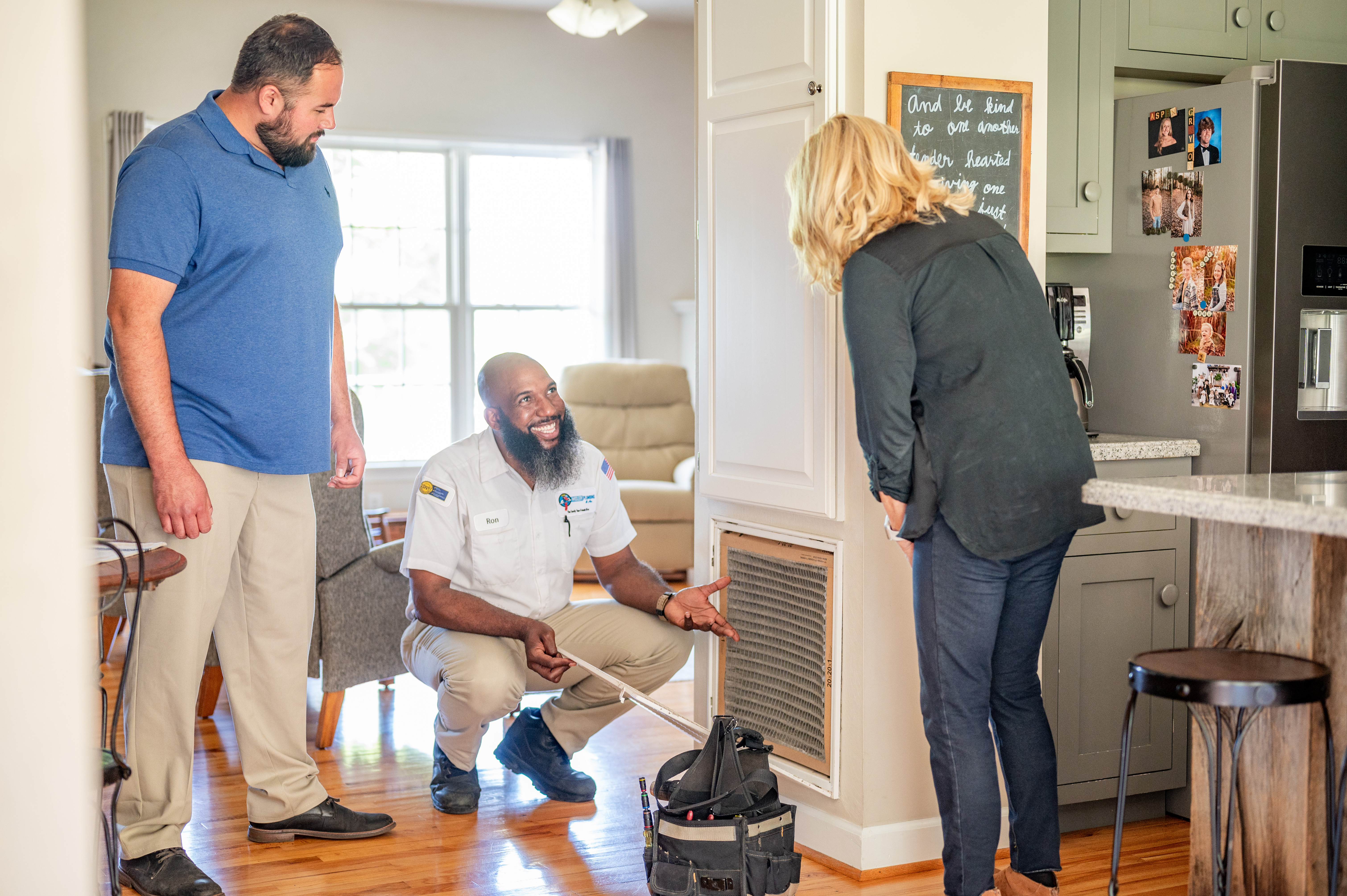
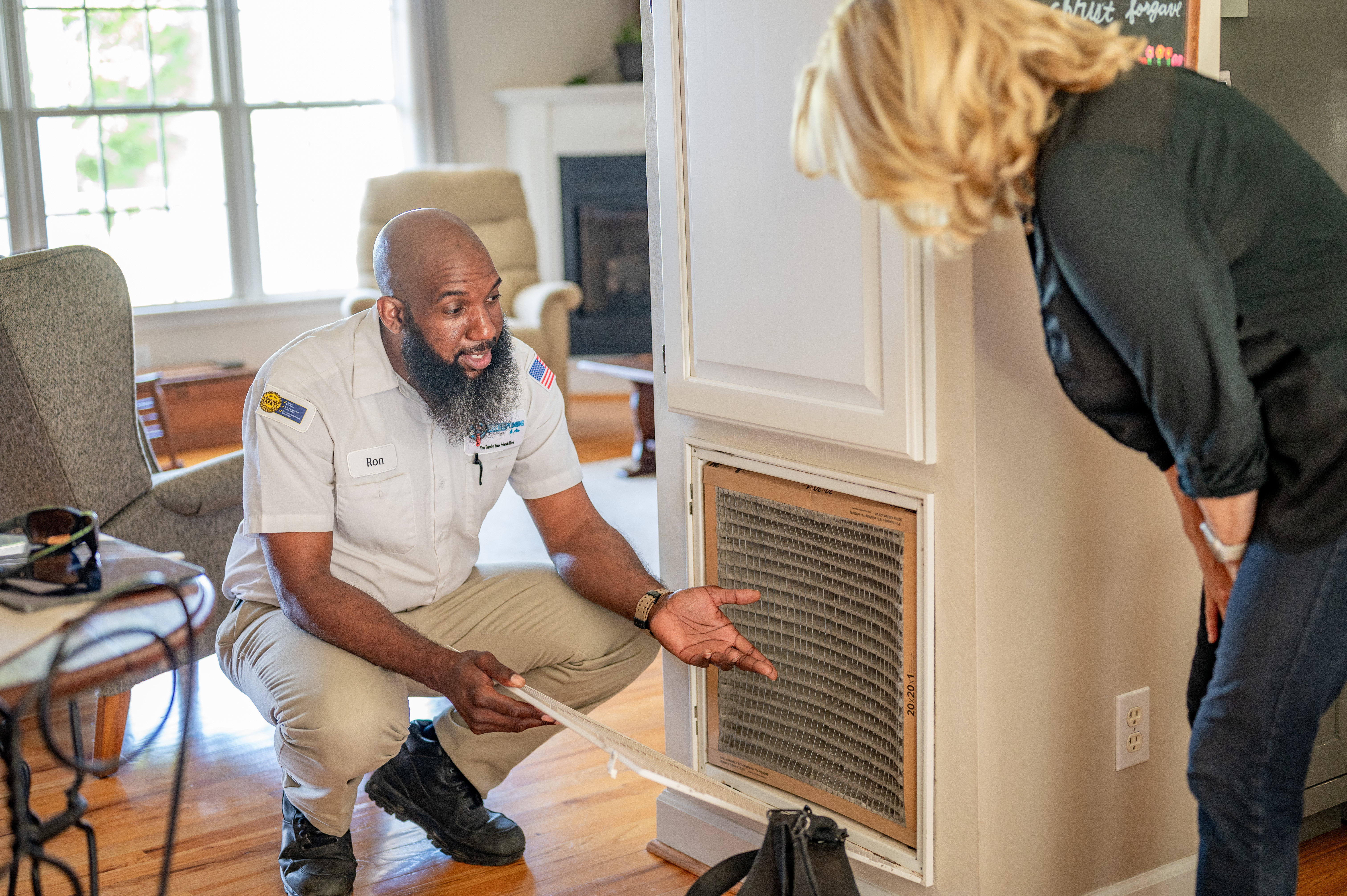

Breathing should be effortless at home. If dust, odors, or allergy flare‑ups have you wondering what is in your air, this guide to home air quality testing will help. We will show you how to check your indoor air, what tools to use, and when a professional assessment pays off. If you live in the Roanoke area, we also cover local factors that affect results and the fastest fixes homeowners trust.
Why Indoor Air Quality Deserves Your Attention
Indoor air can be two to five times more polluted than outdoor air according to the EPA. Most people spend about 90% of their time indoors, which means even small air issues add up fast. In the Roanoke Valley, spring pollen from oaks and grasses spikes counts, while humid summers can push moisture levels high enough to encourage dust mites and musty odors.
Poor air quality shows up as headaches, itchy eyes, lingering smells, or a film of dust that returns hours after cleaning. It can also reduce HVAC efficiency when filters clog or ducts leak. A clear testing plan lets you pinpoint what is wrong and fix the root cause, not just the symptoms.
Signs Your Home Needs Air Quality Testing
Watch for these common red flags:
- Allergy or asthma flare‑ups at home that improve when you are away.
- Persistent musty, chemical, or smoky odors.
- Visible dust buildup shortly after cleaning or around supply vents.
- Condensation on windows, clammy rooms, or drywall spotting.
- Uneven airflow or rooms that never feel right despite thermostat changes.
When two or more signs show up, start with basic measurements. If results point to multiple issues, schedule a professional home air quality testing visit to quantify and prioritize fixes.
What Should You Test For At Home?
A good home air quality testing plan looks at the most common troublemakers:
- Particles: PM2.5 and PM10 from smoke, dust, and pollen. These affect breathing comfort and HVAC cleanliness.
- Total volatile organic compounds: TVOCs from cleaners, paints, pressed wood, and fragrances.
- Carbon monoxide and combustible gas: safety‑critical for homes with fuel‑burning appliances.
- Carbon dioxide: indicates ventilation effectiveness and occupancy buildup.
- Humidity and temperature: comfort and mold risk indicators. Aim for 40% to 50% RH.
- Airflow and pressure: room‑to‑room balance, return intake strength, and duct leakage clues.
Mold and radon are also important, but require specific tests. DIY mold plates can be misleading. For radon, use an EPA‑listed test or certified professional.
Step‑By‑Step: How To Do Home Air Quality Testing
Follow this simple sequence to get reliable, comparable results.
- Set a baseline
- Replace or check your HVAC filter and note the date and MERV rating.
- Run the system on “Auto” for 24 hours as you normally would.
- Close windows and exterior doors for at least 12 hours before testing.
- Use a multi‑sensor monitor
- Choose a monitor that tracks PM2.5, TVOCs, CO2, temperature, and humidity.
- Place it at breathing height, away from kitchens or bathrooms during baseline.
- Log readings by zone
- Record readings in key rooms: main living area, primary bedroom, a child’s room, and near a return grille.
- Note activities that can skew readings like cooking, cleaning, or burning candles.
- Test event triggers
- Cook a typical meal and ventilate as usual. Track PM2.5 and TVOCs for 60 minutes.
- Shower normally and monitor humidity rise and recovery in 60 minutes.
- Run a vacuum and note any spike in particles. If spikes persist, the vacuum may leak dust or the filter is weak.
- Check overnight CO2
- Place the monitor in a closed bedroom overnight. CO2 persistently above about 1,000 ppm suggests poor ventilation.
- Inspect for airflow issues
- With the system running, hold a tissue near supply and return grilles. Weak pull at returns hints at duct restrictions or leaks.
- Walk the home and feel for temperature swings between rooms.
- Document and compare
- Repeat the same tests 48 hours later. Consistent patterns identify the biggest issues to fix first.
Interpreting Results: What Numbers Mean For Comfort And Health
Use these general targets to guide next steps. Always follow device manufacturer ranges and local codes.
- PM2.5: Aim below 12 µg/m³ for routine indoor levels. Brief spikes after cooking are normal if they clear quickly.
- TVOCs: Lower is better. If your device shows categories, avoid persistent “elevated” readings for hours at a time.
- CO2: Below about 1,000 ppm is a good signal that ventilation keeps up with occupancy.
- Relative humidity: 40% to 50% is ideal. Above 60% for long periods raises mold and dust mite risk.
- Temperature: Consistent room‑to‑room temperatures show healthy airflow and balance.
If two or more categories drift off target and stay there, a professional home air quality testing visit will speed the solution. Pros add calibrated instruments, duct leakage tests, and building‑pressure diagnostics you cannot do with a handheld monitor.
DIY Monitors vs. Professional IAQ Assessments
DIY monitors are great for spotting trends. They help you see exactly when particles or TVOCs rise, and whether exhaust fans or open windows help. They are best for daily awareness, filter timing, and confirming small fixes worked.
Professional IAQ assessments go deeper:
- Duct leakage testing and sealing options
- Leaky ducts pull dusty attic or crawlspace air into your breathing zone. Sealing can cut leaks dramatically and improve cleanliness and comfort.
- Advanced sampling
- Formaldehyde, targeted VOCs, and combustion safety tests identify sources you cannot easily isolate at home.
- Airflow and pressure balancing
- Room‑to‑room pressure imbalances can backdraft appliances or move humidity into walls. Balancing improves safety and efficiency.
- Prescriptive plan
- You receive a clear action order, estimated impacts, and costs so you invest where it matters.
In short, DIY shows patterns. A pro test gives you numbers you can build a plan around.
Proven Fixes After Testing: What Works And Why
Use your results to choose the right improvements. Start with the lowest cost item that tackles the biggest reading.
- Filtration upgrades
- Move to a quality pleated filter with the highest MERV your system can handle safely. Many systems work well at MERV 11 to 13 when sized correctly.
- Change filters on schedule. In pollen season near the Blue Ridge, monthly checks are smart.
- Source control for TVOCs
- Ventilate during painting and cleaning. Store solvents in a detached area.
- Choose low‑VOC or zero‑VOC products. Let new furniture off‑gas in a ventilated room.
- Ventilation improvements
- Use range hoods that vent outdoors while cooking. Run bathroom fans during and 20 minutes after showers.
- Consider energy‑recovery ventilation if CO2 trends stay high.
- Humidity management
- Keep RH near 45%. Add a whole‑home dehumidifier if summer readings stay above 60% or rooms feel clammy.
- Duct sealing
- If returns pull from attics or crawlspaces, sealed ducts stop the infiltration of dust and insulation fibers.
- Targeted purification
- UV or UV‑LED systems can reduce microbial growth on coils. Paired with good filtration, they help maintain cleaner equipment.
Remember that one improvement rarely fixes everything. Combine filtration, ventilation, and sealing to get lasting gains.
How Air Duct Sealing Supports Cleaner Indoor Air
Leaky ducts do more than waste energy. Under negative pressure, return leaks can pull attic, garage, or crawlspace air into your system. That air often carries dust, fiberglass, and moisture that settle across your coils and inside supply lines.
Sealing benefits include:
- Cleaner coils and ducts, which help keep PM levels lower indoors.
- Better airflow to bedrooms and living spaces, reducing hot and cold spots.
- Less strain on your blower and improved efficiency.
Wisler offers air duct sealing as part of our indoor air quality solutions, and we use testing to verify the improvement.
Local Insight For Roanoke‑Area Homes
Our team has served Roanoke, Vinton, Salem, and nearby communities for decades. We see three recurring local patterns that affect home air quality:
- Spring and early summer pollen spikes increase PM2.5 indoors when windows are open and filters are overdue.
- High summer humidity in the Roanoke River valley keeps RH elevated, especially in older homes with minimal return air.
- Crawlspaces common in Southwest Virginia can contribute musty air if ducts leak or the space is not sealed.
A focused home air quality testing plan identifies which of these is your main driver so we can solve the right problem first.
When To Call A Professional
Call a pro when any of the following happen:
- Your PM2.5 or TVOCs stay high for more than 24 hours without an obvious source.
- Bedrooms show overnight CO2 near or above 1,000 ppm three or more nights per week.
- You see visible mold growth, frequent condensation, or persistent musty odors.
- Two HVAC filters clog well before the change interval.
- You suspect duct leaks, poor airflow, or need a whole‑home plan.
A professional home air quality testing visit includes calibrated instruments, duct diagnostics, and a repair roadmap with costs and expected results.
Why Choose Wisler For Home Air Quality Testing
- Experience you can trust: Serving local homeowners since 1986 with hundreds of 5‑star reviews.
- NATE‑certified, background‑checked techs who explain findings and options clearly.
- Detailed reporting: Our Without Worry Comfort Checks include a report card with system pressures, what we cleaned, what we adjusted, and recommendations.
- 24/7 availability and a 100% satisfaction guarantee.
- Financing options and our Diamond Club Membership for value and priority care.
We combine testing, data‑driven recommendations, and proven fixes like filtration upgrades and air duct sealing to deliver healthier air quickly.
Ongoing Care: Comfort Checks and Diamond Club
Air quality is not one‑and‑done. Dust, pollen, and humidity change with the seasons. Our Diamond Club Membership can include up to three complimentary Without Worry Comfort Checks annually for qualifying systems. Each visit:
- Documents system pressures, cleaning performed, and adjustments made.
- Verifies filter performance and duct integrity.
- Prioritizes next steps so you invest where it matters.
Members also enjoy discounts and priority scheduling. It is the simplest way to keep your home air right where you want it.
Cost and Scheduling Basics
Pricing depends on home size, testing scope, and the solutions you choose. Many homeowners start with a diagnostic visit and a filtration or sealing upgrade, then reassess with a follow‑up test. The result is a clear before‑and‑after record and a smarter spend.
If you are in Roanoke, Cave Spring, Salem, Vinton, Rocky Mount, or nearby, our team can schedule fast and often same day for urgent concerns.
What Homeowners Are Saying
"Jared was able to fix our a/c problem and he even found an existing problem another company did not when we replaced our system. Our air is working better than ever and I can foresee us saving a lot on electricity... super friendly and knowledgeable." –Amber W., HVAC Service
Frequently Asked Questions
How often should I do home air quality testing?
Test during seasonal changes or after major events like renovations. For most homes, a baseline test twice a year plus checks during pollen season works well. If you have asthma or allergies, monitor key rooms monthly.
Are DIY air quality monitors accurate enough?
Quality monitors are good for trends, not lab‑grade accuracy. They reliably show spikes, recovery times, and room differences. Use them to guide habits and filter changes. For precise numbers and duct diagnostics, schedule a professional assessment.
Will air duct sealing really improve indoor air quality?
Yes, if your ducts leak in attics, garages, or crawlspaces. Sealing reduces dust and fibers pulled into returns, stabilizes airflow, and helps filters work better. Testing before and after verifies the improvement.
What humidity level should I aim for indoors?
Aim for about 40% to 50% relative humidity. Above 60% increases mold and dust mites. Below 30% can cause dry skin and static. If levels stay high in summer, consider a whole‑home dehumidifier.
Do you test for mold and radon?
We evaluate moisture conditions that allow mold and can coordinate specialized testing as needed. For radon, use an EPA‑listed kit or certified radon professional. We can advise on ventilation and sealing that support results.
In Summary
Home air quality testing shows you what to fix and in what order. Track particles, TVOCs, humidity, and airflow to get clear answers, then combine filtration, ventilation, and duct sealing for lasting gains. For expert help with home air quality testing in Roanoke and nearby, our team is ready to measure, diagnose, and solve fast.
Ready To Breathe Easier?
Call Wisler Plumbing, Heating, Cooling & Electric at (540) 238-0320 or schedule at https://callwisler.com/. Ask about air duct sealing and our Without Worry Comfort Checks. Serving Roanoke, Cave Spring, Salem, Vinton, Martinsville, and more. Let us test your air, explain the results, and deliver a plan that works.
Wisler Plumbing, Heating, Cooling & Electric has served Roanoke and surrounding communities since 1986. Our NATE‑certified, background‑checked technicians deliver upfront pricing, 24/7 availability, and a 100% satisfaction guarantee. We back our work with clear service reports and ongoing training. From indoor air quality and air duct sealing to full HVAC, plumbing, and electrical, homeowners count on our award‑winning team for honest recommendations and lasting results.
Sources11
Source links open in a new tab.
- Bundling Coupon Save 5% when combining trades (Plumbing, HVAC, Electrical, Water Treatment)callwisler.com (opens in a new tab)
- Call Wisler Plumbing, Heating, Cooling and Electric at (540) 592-4793 to get a free estimate on our Heater Repair services in Roanoke, VA and the surrounding areas.callwisler.com (opens in a new tab)
- Only $24/month — about $0.77 a day. Minimum one-year contract required.callwisler.com (opens in a new tab)
- Happy comment by Lee Learmangoogle.com (opens in a new tab)
- Happy comment by Ian Carrollgoogle.com (opens in a new tab)
- Happy comment by Randy Camdengoogle.com (opens in a new tab)
- Happy comment by Amber Wisegoogle.com (opens in a new tab)
- Roanoke, VA Heating Maintenance & Safety Tune-Ups | Furnace & Heat Pump Inspections, Cleaning & Fall Checkupscallwisler.com (opens in a new tab)
- Salem VA Plumber, HVAC & Electrician | Full-Service Plumbing, Heating & Air Conditioning in Salem Virginiacallwisler.com (opens in a new tab)
- Union Hall VA HVAC, Plumbing & Electrical – Licensed Technicians for Repairs & Installationscallwisler.com (opens in a new tab)
- Roanoke, VA AC Installation & Replacement | Call Wislercallwisler.com (opens in a new tab)