Pilot VA HVAC: Do UV Air Purifiers Improve Indoor Air Quality?
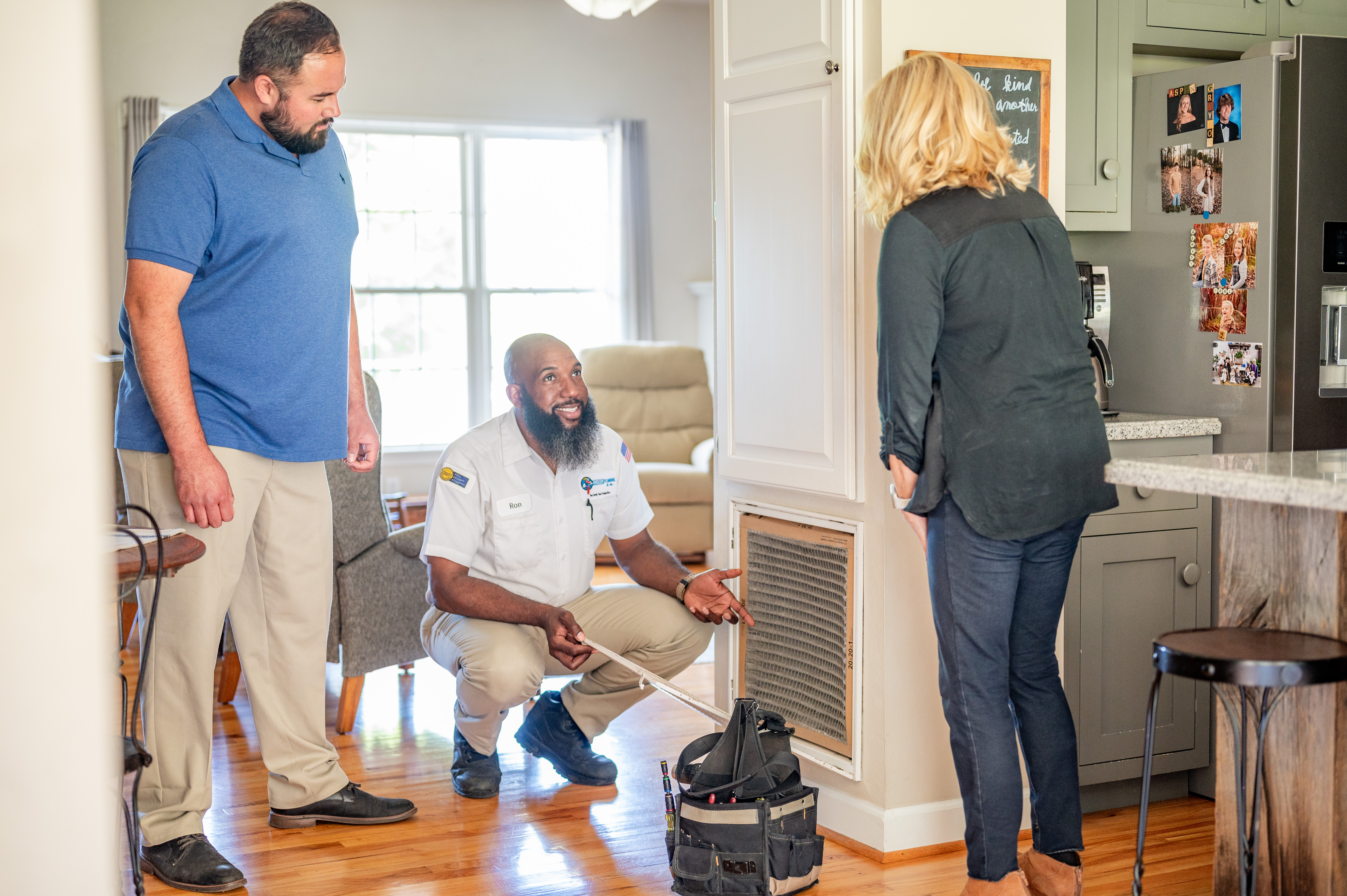
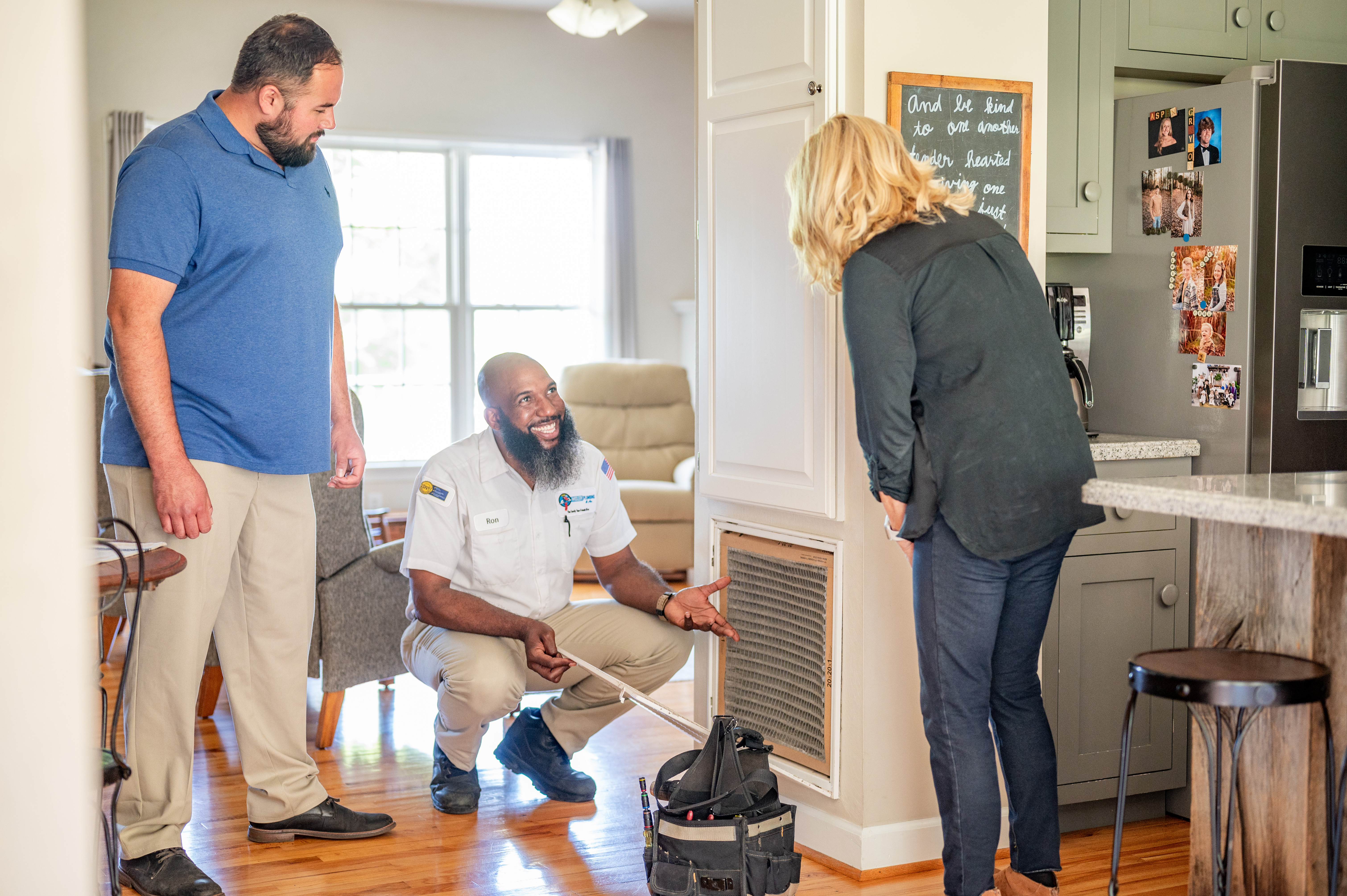
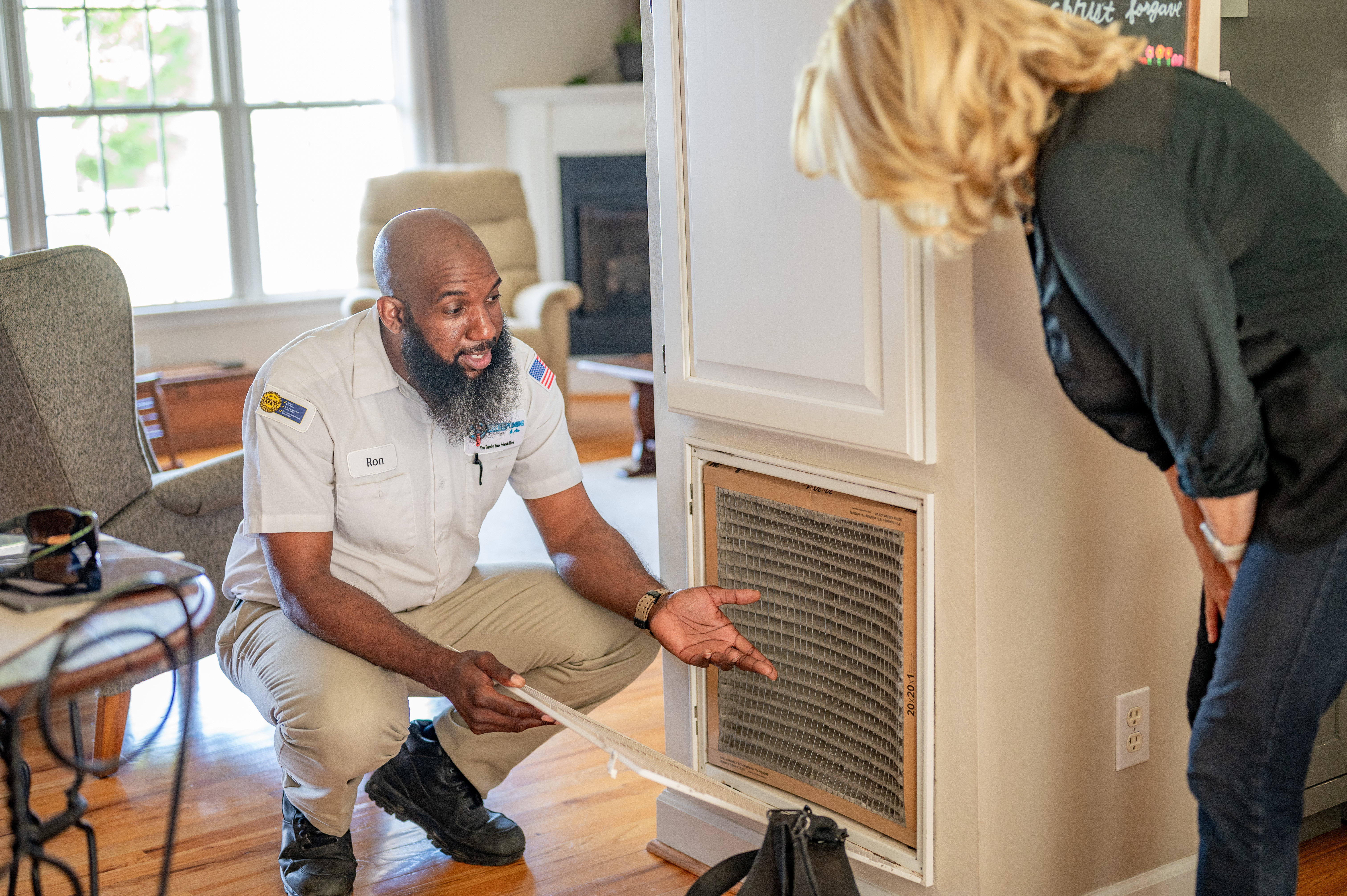

If you’re wondering whether UV air purifiers for HVAC actually work, you’re not alone. Many Roanoke homeowners want cleaner air without constant dust, odors, or mold near coils. Here’s the short answer: UV-C can be very effective for the right targets, when properly sized and installed, and when paired with strong filtration and maintenance. Below, we break down what UV can and cannot do, real costs, and how to decide if it fits your home.
What UV-C Technology Really Does in an HVAC System
UV air purifiers for HVAC use UV-C light, typically near a 254 nm wavelength, to inactivate certain microbes by disrupting their DNA or RNA. In homes, there are two main applications:
- Coil irradiation: A UV lamp shines on the evaporator coil and drain pan to suppress mold and biofilm growth that rob efficiency and cause musty smells.
- In-duct air treatment: A UV lamp inside the supply or return duct treats air passing by, targeting airborne microbes. This requires correct lamp placement, sufficient intensity, and enough exposure time.
Key point: UV-C targets living organisms like mold spores and some bacteria and viruses. It does not remove dust, pet dander, or smoke particles. That is why UV must be paired with quality filtration.
What UV Can Do Well vs. Where It Falls Short
When homeowners ask if UV air purifiers for HVAC work, the answer depends on goals.
What UV does well
- Suppresses mold and biofilm on coils, improving airflow and reducing odors.
- Helps inactivate certain airborne microbes with proper design.
- Supports more stable efficiency by keeping the coil cleaner between cleanings.
Where UV falls short
- Does not capture particles like pollen, ash, or dust. You still need a good filter.
- Requires correct intensity and exposure time. Air moving too fast or lamps placed poorly will reduce impact.
- Lamps degrade over time and must be replaced to stay effective.
Pro insight: In our field experience, coil UV paired with MERV 11–13 filtration and routine maintenance is a strong, balanced solution for most homes.
How UV Fits With Filtration, Ventilation, and Humidity Control
Indoor air quality is a system, not a single device. UV air purifiers for HVAC should be layered with other controls.
- Filtration: Use a quality pleated filter with a cabinet designed for low air resistance. Many homes benefit from MERV 11–13. Super high MERV without proper design can restrict airflow.
- Ventilation: Periodic fresh air exchange reduces indoor pollutant buildup. Some homes may benefit from controlled ventilation strategies.
- Humidity: Keep indoor humidity roughly 30–50 percent to help deter mold and keep comfort steady. Overly damp conditions make coil mold more likely.
UV is a complement to these fundamentals, not a replacement.
Does UV Help With Roanoke’s Real-World Air Problems?
Roanoke and nearby communities see heavy oak and hickory pollen in spring, ragweed late summer, and humid stretches that stress cooling systems. UV air purifiers for HVAC help most with musty odors from coil growth and with microbial targets. For pollen and general dust, the filter is the workhorse. For smoke or VOC odors, additional solutions may be needed. We often pair coil UV with upgraded filtration and routine Without Worry Comfort Checks to stay ahead of seasonal swings.
Safety and Standards You Should Know
- UV-C exposure is harmful to skin and eyes. Lamps are enclosed inside the air handler or ductwork with interlocks and proper mounting for safety.
- ASHRAE and the EPA recognize UVGI as a helpful layer when designed and maintained correctly, especially for coil cleaning and supplemental air treatment.
- Lamps lose intensity over time. Most require annual replacement, even if they still glow. Intensity, not just visible light, drives results.
Hard facts to ground your decision
- UV-C germicidal lamps commonly operate near 254 nm, a proven germicidal band used in coil irradiation and air treatment.
- Effectiveness depends on dose, which is intensity multiplied by exposure time. Faster airflow or weak lamps reduce dose.
Coil UV vs. In-Duct UV: Which Is Right for You?
- Coil UV: Best for odor control, mold prevention, and efficiency. Ideal when you see visible growth on the coil, have musty smells, or run AC heavily during humid periods. This is our most popular configuration because results are concrete and energy savings are measurable.
- In-duct UV: Targets airborne microbes as air passes the lamp. Works best with multiple lamps, reflective duct liners, and correct spacing to maximize dose. Useful for homes with higher sensitivity to airborne germs, but design matters a lot.
Our take: Start with coil UV plus strong filtration, then add in-duct UV if your goals include extra airborne microbe control.
What About Whole-Home “Halo” or Similar UV Devices?
Some systems combine UV-C with catalytic surfaces to reduce certain contaminants. We have installed UV lights for many customers and have seen good odor reduction and coil cleanliness when the unit is selected and sited correctly. The key is matching the device to your system size and duct layout, then confirming airflow and lamp reach during commissioning.
Cost, Maintenance, and Lifespan
Typical expectations in our market:
- Equipment cost varies by lamp type, housing, and number of bulbs. Coil-only systems tend to cost less than multi-lamp in-duct arrays.
- Annual costs include lamp replacement and an inspection to verify placement, cleanliness, and electrical performance.
- Maintenance best practices:
- Replace lamps annually or per manufacturer specs.
- Wipe the lamp housing and viewports during service.
- Inspect ballast, wiring, and mounting brackets.
- Combine with a coil cleaning schedule and fresh filter swaps.
UV air purifiers for HVAC keep working only if the lamps deliver the intended intensity. Dimming output over time quietly reduces results.
Measuring Results You Can See and Feel
Homeowners often ask how to verify performance. Here is how we measure success:
- Odor reduction around supply vents and air handler after coil UV has operated for a few weeks.
- Cleaner coil surfaces during seasonal checkups.
- Stable airflow readings and improved temperature split across the coil.
- Fewer drain pan clogs linked to biofilm.
We document findings in your Without Worry Comfort Check report, including pressures, temperature split, what we cleaned, what we adjusted, and any recommendations.
When UV May Not Be the Best Spend
- If your home’s filter is undersized or bypassing air, fix filtration first.
- If ducts leak, sealing may deliver a bigger gain in comfort and dust control.
- If humidity regularly exceeds 55 percent indoors, solve moisture sources and dehumidification before or alongside UV.
- For wildfire smoke or heavy VOC complaints, consider filtration or adsorbent media specifically designed for those pollutants.
UV air purifiers for HVAC excel as part of a layered plan. Alone, they are not a magic wand.
How We Design UV For Your System
Every system and home is different. Our approach:
- Inspect the air handler, coil location, and duct materials to choose coil UV, in-duct UV, or both.
- Calculate airflow and lamp dose needs. Verify there is adequate line-of-sight exposure.
- Protect wiring and plastics from long-term UV exposure.
- Confirm service access for quick lamp changes.
- Commission and record baseline readings so you can see improvement over time.
We follow manufacturer guidance and industry best practices so the equipment delivers as promised.
FAQs Homeowners Ask During Estimates
- Will UV affect my plastics or insulation? Proper lamp placement and baffles shield nearby components. We design installations to protect sensitive materials.
- Will I see a lower power bill? Cleaner coils can help maintain rated efficiency. UV helps prevent the efficiency losses caused by biofilm.
- How soon will I notice a difference? Odor reduction can start within days. Coil cleanliness and airflow gains become clear over weeks of runtime.
- Do UV air purifiers for HVAC help with allergies? They can help reduce microbe-related triggers. For pollen and dust allergens, stronger filtration is the primary tool.
Why Choose Wisler for UV and IAQ in Roanoke
- Proven longevity: Serving Virginia homes since 1986 with a 100% satisfaction guarantee.
- Credentialed team: NATE-certified, background-checked technicians who explain the work clearly.
- Transparent reporting: Every maintenance visit comes with a detailed system report.
- Around-the-clock help: We answer the phone 24/7, 365 days a year.
- Full IAQ toolbox: UV solutions, filtration upgrades, air duct sealing, and maintenance plans.
UV air purifiers for HVAC work best when the installer knows the science and the system. That is our focus on every project.
What To Do Before You Decide
- Check your current filter size, type, and replacement habits.
- Note any coil or drain pan smells, visible growth, or frequent clogs.
- Track humidity levels and any hotspots or low airflow rooms.
- Consider allergies, pets, and smoke exposure.
Bring this list to your estimate. We will tailor recommendations to your home and budget, and we will show you the math behind each option.
Service Areas We Commonly Help
We regularly serve Roanoke, Cave Spring, Salem, Martinsville, Vinton, Collinsville, Hardy, Rocky Mount, Wirtz, and Goodview. If you are nearby, call and we will do our best to assist.
What Homeowners Are Saying
"Dustin and a helper Joseph came to clean our furnace and A/C units and instal Halo lights to protect our systems from dirt and mold. They did a terrific job in a very timely manner. Both were very polite and professional. Would definitely like to have them back to take care of our units."
–Dustin’s Customer, Roanoke
"Hunter and Kyle did a great job helping me diagnose the problem I am having with a bad smell in my house. I feel we are one step closer to solving the problem. Really professional and knowledgeable. I highly recommend this company for your plumbing and HVC needs. You will have a great experience. Got to mention Amanda their dispatcher. She is great! Goes the next step to solving your problem Thanks again"
–Hunter’s Customer, Roanoke
Frequently Asked Questions
Do UV air purifiers for HVAC kill viruses?
UV-C can inactivate some viruses with the right dose and exposure time. Effectiveness depends on lamp intensity, placement, and airflow speed.
Will UV replace my air filter?
No. UV targets microbes. Filters capture dust, pollen, and pet dander. Use both for balanced indoor air quality.
How often do UV lamps need replacement?
Most residential UV lamps need annual replacement to maintain germicidal intensity, even if they still appear to glow.
Is UV safe inside my ductwork?
Yes when installed correctly. Lamps are enclosed, and technicians use shields and spacing to protect plastics and wiring.
Will UV fix musty smells from my vents?
Often, yes. Coil UV suppresses mold and biofilm on the evaporator coil and drain pan, which are common odor sources.
Conclusion
UV air purifiers for HVAC can be a smart, effective upgrade when your goals include coil cleanliness, odor control, and supplemental germ reduction. They work best alongside proper filtration, humidity control, and regular maintenance.
Call to Action
Ready to find out if UV fits your system in Roanoke? Call Wisler Plumbing, Heating, Cooling & Electric at (540) 238-0320 or schedule at https://callwisler.com/. Ask about our Diamond Club for complimentary Without Worry Comfort Checks and year-round priority service.
Call (540) 238-0320 or visit https://callwisler.com/ to schedule your UV evaluation today. Serving Roanoke, Cave Spring, Salem, Vinton, Martinsville, and nearby neighborhoods.
About Wisler Plumbing, Heating, Cooling & Electric
Since 1986, homeowners across Roanoke and the Blue Ridge have trusted Wisler for expert HVAC, plumbing, and electrical service. Our NATE-certified, background-checked technicians deliver clear pricing, detailed service reports, and a 100% satisfaction guarantee. We offer 24/7 availability, financing options, and our Diamond Club with complimentary Without Worry Comfort Checks. One call covers it all, with proven indoor air quality know-how for healthier, more comfortable homes.
Sources12
Source links open in a new tab.
- Bundling Coupon Save 5% when combining trades (Plumbing, HVAC, Electrical, Water Treatment)callwisler.com (opens in a new tab)
- The cost is only $24/ month, or about $0.77 a day! Only $24/month — about $0.77 a day. Minimum one-year contract required.callwisler.com (opens in a new tab)
- Free estimate on our Heater Repair servicescallwisler.com (opens in a new tab)
- Contact us today for a free consultation.callwisler.com (opens in a new tab)
- Happy comment by Lee Learmangoogle.com (opens in a new tab)
- Happy comment by David J Thompsongoogle.com (opens in a new tab)
- Happy comment by CliffandHazel Gainesgoogle.com (opens in a new tab)
- Happy comment by Jenny Eubankgoogle.com (opens in a new tab)
- Roanoke, VA Heating Maintenance & Safety Tune-Ups | Furnace & Heat Pump Inspections, Cleaning & Fall Checkupscallwisler.com (opens in a new tab)
- Salem VA Plumber, HVAC & Electrician | Full-Service Plumbing, Heating & Air Conditioning in Salem Virginiacallwisler.com (opens in a new tab)
- Union Hall VA HVAC, Plumbing & Electrical – Licensed Technicians for Repairs & Installationscallwisler.com (opens in a new tab)
- Roanoke, VA AC Installation & Replacement | Call Wislercallwisler.com (opens in a new tab)