Glade Hill, VA Duct Services: Stop Dripping & Water Damage


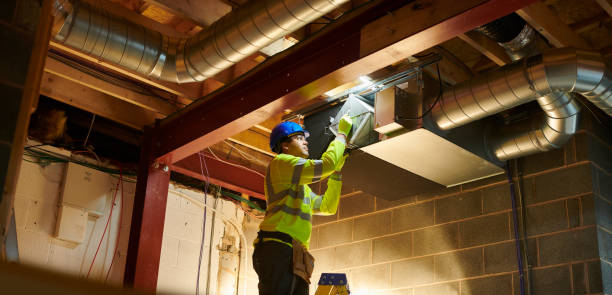

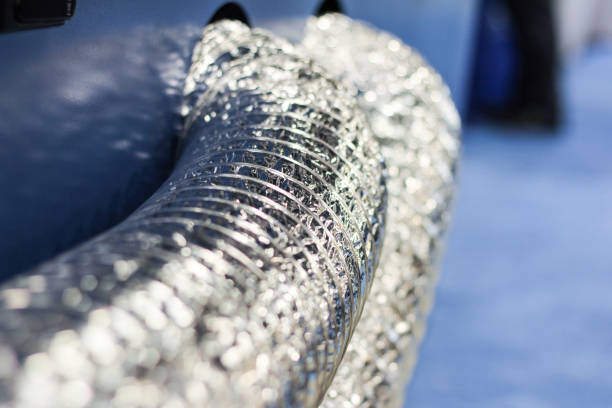
Ductwork sweating can turn into ceiling stains, mold, and costly repairs fast. If you’re searching how to stop ductwork dripping, you’re in the right place. In this guide, you’ll learn why AC ducts sweat, how to fix condensation safely, and the steps to prevent water damage for good. We’ll show you DIY checks you can do today and the professional solutions our Virginia team uses to keep homes dry and healthy.
Why Ductwork Drips in the First Place
Ductwork dripping, often called duct sweating, happens when warm, humid air touches cold metal ducts. Moisture in the air condenses on the duct surface and turns into droplets. In our area, summer humidity and cool supply air make the perfect recipe for condensation.
Common triggers include:
- High indoor humidity from showers, cooking, or crawlspace air leaks.
- Poor duct insulation, especially on metal trunks and boots in attics or crawlspaces.
- Air leaks at seams and takeoffs that pull humid air into the duct system.
- Low airflow from a dirty filter, closed vents, or a failing blower causing extra-cold coil temps.
- Oversized AC short cycling, which cools air quickly but does not remove enough moisture.
If the sweating is heavy or persistent, it can drip onto drywall, framing, or insulation and set up mold conditions within 24 to 48 hours. Stopping condensation early protects your home and indoor air quality.
"He proceeded to service the water heater, flushing it, cleaning the filters and vents and inspecting all aspects of operation. He was professional, methodical and answered all of my questions!"
Spot the Signs Before Water Damage Spreads
Knowing what to look for helps you act fast.
Watch for these red flags:
- Water spots or faint yellow rings on ceilings below duct runs.
- Musty odors near supply vents or in the attic after hot, humid days.
- Rust on metal ducts, hangers, or the air handler cabinet.
- Dripping boots at ceiling registers or damp insulation around ducts.
- Condensation on the outside of flexible duct or at sheet metal seams.
Quick action matters. Light sweating may only need airflow and insulation fixes. Ongoing ductwork dripping calls for sealing, humidity control, or system adjustments to solve the source, not just the symptom.
"Wisler sent Nick Freeman to check my heating system... Nick took his time, was thorough and explained everything so I could understand the issues! I am so impressed with Wisler and team I will never use anyone else!"
First Aid: What to Do Today if You See Ductwork Sweating
You can stabilize the situation and prevent immediate damage while planning a permanent fix.
Do these steps in order:
- Change your air filter. A clogged filter reduces airflow and can super-cool the coil, increasing condensation.
- Open all supply registers and be sure return grilles are not blocked by furniture or rugs.
- Run your AC in Cool mode with the fan set to Auto, not On. Auto allows moisture to drain rather than re-evaporate off the coil.
- Set the thermostat to 74–76°F to reduce coil frost risk and improve dehumidification balance.
- Run bathroom and kitchen exhaust fans during and after moisture-producing activities for at least 20 minutes.
- If you have a whole-home dehumidifier, set it to 50% relative humidity.
- Place a towel or pan under active drips to protect drywall until a tech can assess.
These steps often reduce or stop light duct sweating within 24 hours. If not, keep reading for root-cause fixes that make results stick.
The Root Causes and How to Fix Each One
Ductwork dripping has multiple causes. Solve the right one, and you stop the drip for good. Here’s how we diagnose and correct the big five.
1) High Indoor Humidity
When indoor relative humidity stays above 55%, condensation risk skyrockets.
Fixes:
- Address moisture sources. Vent dryers outdoors, run bath and kitchen exhausts, and cover dirt in crawlspaces with a proper vapor barrier.
- Seal air leaks that pull humid outside air into your home. Attic hatches, recessed lights, and rim joists often leak.
- Add a whole-home dehumidifier or enable your HVAC’s dehumidification mode if supported.
Local note: In Roanoke and surrounding Blue Ridge communities, late afternoon storms can push attic and crawlspace humidity above 70%. Proactive humidity control is a must.
2) Poor or Damaged Duct Insulation
Insulation keeps warm air from contacting chilled duct surfaces.
Fixes:
- Re-wrap bare metal trunks and boots with insulation that meets current R-values for attics and crawlspaces.
- Replace crushed or waterlogged insulation. Wet insulation loses performance and can harbor mold.
- Insulate boots and plenum transitions, not just straight runs.
3) Duct Leaks at Seams and Takeoffs
Air leaks allow unconditioned, humid air to contact cold duct metal.
Fixes:
- Professional air duct sealing using mastic or industry-approved methods at seams, joints, collars, and boots.
- Reseal panned returns and repair disconnected flex duct.
- Test for leakage. A duct blaster or pressure test quantifies leakage so you know the job is done right.
Note: Our team offers air duct sealing as part of comprehensive indoor air quality solutions for Virginia homes.
4) Low Airflow or Imbalanced System
If airflow is low, supply air gets colder than it should and surface temperatures drop below the dew point.
Fixes:
- Replace filters, clear returns, and un-block closed vents.
- Balance the system. Adjust dampers so every room gets proper airflow.
- Service the blower. Clean the wheel, verify speeds, and check static pressure.
- Evaluate duct design. Undersized returns or long, kinked flex runs need correction.
5) Oversized or Underperforming AC
An oversized unit short cycles. It cools quickly but removes less moisture, raising indoor humidity.
Fixes:
- Have a pro confirm sizing and charge. A Manual J load and system check prevent guesswork.
- Consider staging or variable-speed equipment that runs longer at lower capacity for better moisture removal.
- Tune refrigerant charge to spec. Improper charge hurts both cooling and dehumidification.
How Pros Diagnose Ductwork Dripping the Right Way
A disciplined process prevents repeat problems. Here is the approach our NATE-certified team uses to stop ductwork sweating and protect your home.
- Visual and thermal inspection of duct runs, boots, and transitions in attics, crawlspaces, and basements.
- Static pressure, temperature split, and airflow readings to diagnose restrictions or design issues.
- Humidity and dew point measurements indoors and in problem zones.
- Duct leakage testing where needed to quantify and target sealing work.
- Documentation. You receive a written report card of pressures, cleaning performed, adjustments, and recommendations.
That final step matters. When you see the data, you can prioritize what fixes your home needs now and what can wait.
"By far the best option when it comes to plumbing and air conditioning. That's right! They also do air!"
Permanent Fixes to Stop Ductwork Dripping
Once we find the cause, we implement a combination of these solutions to deliver a dry, protected system.
- Seal ducts at seams, collars, and boots with mastic and mesh where appropriate. This prevents humid air intrusion.
- Upgrade insulation to proper R-value. We target boots, trunks, and any exposed metal first.
- Correct airflow. Clean or replace filters, tune the blower, and re-balance dampers.
- Control humidity. Integrate whole-home dehumidification or optimize AC settings for moisture removal.
- Eliminate attic or crawlspace moisture sources. Improve ventilation and install vapor barriers where missing.
- Address drainage. Verify the condensate drain, pump, and safety switch operate and slope correctly so moisture leaves the system.
Together, these steps stop duct sweating at the source and lower the risk of mold and material damage.
DIY vs. Pro: What You Can Tackle and When to Call
Many homeowners can handle the basics safely. Some tasks need a licensed HVAC pro.
DIY-friendly:
- Replace filters every 1 to 3 months.
- Keep returns and supplies unblocked.
- Use bath and kitchen exhausts consistently.
- Run a portable dehumidifier in problem rooms while planning long-term solutions.
Call a pro for:
- Duct sealing and insulation in attics or crawlspaces.
- System balancing, blower service, and static pressure adjustments.
- Duct leakage testing, refrigerant charge, and equipment sizing.
- Mold concerns or recurring ceiling stains.
If you are seeing repeat ductwork dripping after quick fixes, a professional assessment will save money by stopping the cycle.
Preventive Maintenance That Keeps Ducts Dry
Stopping condensation is easier when your system stays clean and tuned. Through our Without Worry Comfort Checks, we:
- Inspect and clean critical components that affect airflow and moisture control.
- Measure pressures and temperature splits so you see performance in black and white.
- Explain what we did, why we did it, and any concerns before we leave, with a report card in hand.
Consistent maintenance supports efficiency, protects indoor air quality, and keeps duct surfaces above dew point so condensation cannot form.
Local Factors: Why It’s Common in Virginia Homes
Our climate swings from humid summers to chilly winters. In July and August, dew points often climb, and attics become hot and damp. Running your AC keeps you cool, yet it also chills duct surfaces. Any leak or missing insulation becomes a moisture magnet.
In fall, cool nights and warm days can cause condensation on metal in garages and crawlspaces. Tight, energy-efficient homes benefit from controlled ventilation and humidity management to avoid surprises.
Safety and Building Considerations
Protect your home and warranties by following best practices.
- Use UL-181 listed tapes or mastic for duct sealing. Cloth duct tape is not acceptable for long-term sealing.
- Maintain clearance from flues and combustible materials when insulating around metal ducts.
- Do not block required return air pathways or attic ventilation.
- Keep condensate drains and safety switches functional to prevent overflow.
These steps align with industry standards and keep your system safe and reliable.
Cost Expectations and Payback
Every home is different, but here’s how homeowners think about the investment to stop ductwork sweating:
- Low-cost: Filters, thermostat settings, and exhaust fan habits.
- Moderate: Targeted duct sealing and insulation upgrades in attics or crawlspaces.
- Larger: Whole-home dehumidification or system changes when sizing or airflow is the core issue.
The benefits include fewer repairs, lower risk of mold, longer duct life, and better comfort. Preventing just one ceiling repair can offset a significant share of the work.
Putting It All Together: Your Action Plan
Follow this simple sequence to stop ductwork dripping and prevent water damage.
- Stabilize now: New filter, Auto fan, open vents, and exhaust fans.
- Inspect: Look for bare metal, sweating boots, and water-stained insulation.
- Control humidity: Aim for 45–50% RH indoors.
- Seal and insulate ducts, starting with exposed metal and boots.
- Balance airflow and verify proper drain function.
- Schedule professional testing if sweating continues.
You will break the cycle when moisture, temperature, and airflow are all under control.
What Homeowners Are Saying
"He proceeded to service the water heater, flushing it, cleaning the filters and vents and inspecting all aspects of operation. He was professional, methodical and answered all of my questions!"
"Wisler sent Nick Freeman to check my heating system... Nick was the first one who told me I actually have 2 filters not just one! Nick took his time, was thorough and explained everything so I could understand the issues! I am so impressed with Wisler and team I will never use anyone else!"
"Allen is an absolute LEGEND! He was super nice and even liked our cats! By far the best option when it comes to plumbing AND air conditioning. That's right! They also do air!"
Frequently Asked Questions
Why are my AC ducts sweating in the attic?
Warm, humid attic air touches cold metal ducts. If insulation is thin or seams leak, moisture condenses and drips. Sealing leaks, adding insulation, and lowering indoor humidity stop it.
Will a dehumidifier stop ductwork dripping?
Often, yes. Keeping indoor humidity near 45–50% reduces condensation risk. Pair a dehumidifier with duct sealing and proper insulation for best results.
Can I just wrap my ducts to fix the problem?
Insulation helps, but it is not a cure-all. If seams leak or airflow is low, moisture can still form. Seal first, then insulate to the right R-value.
Is it safe to run my AC when ducts are dripping?
Briefly, yes, while you stabilize with filters and fan Auto. But ongoing dripping can damage your home. Schedule a professional assessment to fix the cause.
How do I know if my system is oversized?
Signs include short cycles, clammy air, and uneven temps. A Manual J load and equipment check by a pro confirm sizing and guide the fix.
Conclusion
Ductwork sweating is preventable. Control humidity, seal and insulate ducts, and correct airflow to stop ductwork dripping for good. For reliable help in Roanoke and nearby communities, trust the team that documents every visit and stands behind the work.
Call to Schedule
Stop the drips before they become ceiling repairs. Call Wisler Plumbing, Heating, Cooling & Electric at (540) 238-0320 or schedule at https://callwisler.com/. Ask about our Without Worry Comfort Checks to keep your ducts dry all season.
Ready to End Duct Drips?
Call (540) 238-0320 or book at https://callwisler.com/ for professional duct sealing, insulation, and humidity control. Stay ahead of water damage with a documented Without Worry Comfort Check.
About Wisler Plumbing, Heating, Cooling & Electric
Serving Virginia homeowners since 1986, Wisler delivers HVAC expertise with integrity. Our NATE-certified technicians arrive in fully stocked trucks, provide clear, upfront pricing, and back every visit with a 100% satisfaction guarantee. We document findings with our Without Worry Comfort Check report card so you know exactly what we cleaned, adjusted, and recommend. Recognized by Virginia Business Best Places to Work 2024 and Angi Super Service Award 2022, we’re the trusted local team for comfort, safety, and clean indoor air.
Sources12
Source links open in a new tab.
- $30 discount on standard and after-hours service-fee calls for Diamond Club members.callwisler.com (opens in a new tab)
- Bundling coupon: save 5% when combining multiple trades.callwisler.com (opens in a new tab)
- Free quote available for generator installation and services at Wisler Plumbing, Heating, Cooling and Electric.callwisler.com (opens in a new tab)
- Free estimate on Heater Repair services offered by Wisler Plumbing, Heating, Cooling and Electric in Roanoke, VA and surrounding areas.callwisler.com (opens in a new tab)
- Happy comment by Joe Comergoogle.com (opens in a new tab)
- Happy comment by Malcolm Doublesgoogle.com (opens in a new tab)
- Happy comment by Liza Deckgoogle.com (opens in a new tab)
- Happy comment by Randy Camdengoogle.com (opens in a new tab)
- Ferrum VA Plumbing, Heating & Cooling – Local HVAC and Plumbing Repair Specialistscallwisler.com (opens in a new tab)
- Roanoke, VA Heating Services | Furnace & Heat Pump Repair, Installation & Maintenance for Year-Round Comfortcallwisler.com (opens in a new tab)
- Penhook VA Plumbing, Heating & Cooling Services – Certified Technicians for All Home Systemscallwisler.com (opens in a new tab)
- FAQ'S | Wisler Plumbing, Heating, Cooling And Electriccallwisler.com (opens in a new tab)