Shawsville HVAC Duct Services: 3 Top Sealing Solutions


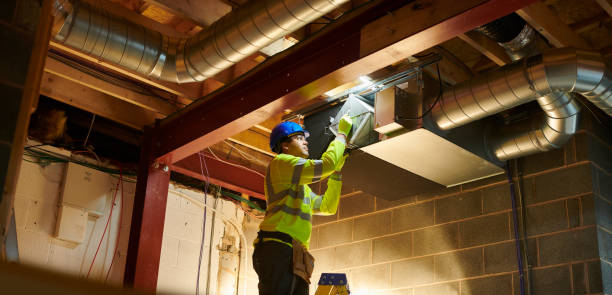

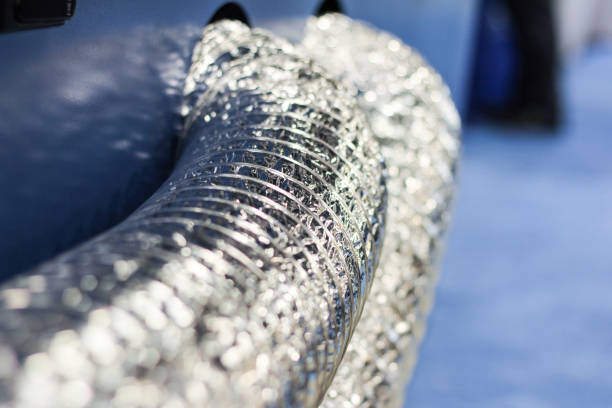
Leaky ducts waste energy, make rooms uncomfortable, and pull dusty crawlspace air into your home. If you are searching for duct sealing methods, you already feel the drafts, smell the dust, or see uneven temperatures. In this guide, we break down three proven ways to seal residential ductwork, how they compare, and when each is the smart move. You will also see how our team tests, seals, and verifies results so your system runs cleaner, quieter, and more efficiently.
Why Duct Sealing Matters
Leaky ducts push conditioned air into attics, basements, and crawlspaces instead of your rooms. The U.S. Department of Energy and ENERGY STAR note that typical homes can lose 20 to 30 percent of airflow through duct leaks. That loss shows up as rooms that never feel right, long run times, higher bills, and more dust. In our Roanoke Valley climate, summer humidity and winter cold make leaks even costlier because your system works harder in both seasons.
Unsealed joints can also pull in air from places you do not want it. Think crawlspace air with odors, insulation fibers, or even combustion byproducts near a water heater. Over time, that can aggravate allergies and shorten equipment life. Sealing is not just about bills. It protects indoor air quality, keeps static pressure in the safe range, and helps your filter and coil stay cleaner.
Signs You Need Duct Sealing
Before you choose a method, confirm you have a leakage problem. Common red flags include these:
- One or two rooms are always hot or cold.
- Dust builds up fast even with regular filter changes.
- High energy bills that do not match the weather.
- Whistling sounds at registers or visible gaps at duct joints.
- Ducts in a crawlspace or attic that were never sealed or insulated.
Verification matters. Pros test leakage with a duct pressurization test. We can measure total duct leakage and leakage to the outside, then document the starting point and improvements after sealing. This protects your investment and removes guesswork.
Pro tip: If you have flex duct, check for kinks, crushed runs, or torn outer jackets before sealing. Fixing airflow restrictions and damaged sections is step one. Sealing comes next.
Duct Sealing Method 1: Mastic Sealant
Mastic is a thick, paint‑on sealant designed for permanent duct sealing. When applied correctly, it bonds to metal, ductboard, and many flex duct collars.
How it works
- Clean the joint so the surface is dry and dust free.
- Tighten mechanical connections first, including sheet metal screws where appropriate.
- Brush or trowel mastic over seams, joints, and connections at boots, takeoffs, and plenums.
- Embed fiberglass mesh in larger gaps, then add a second layer of mastic.
- Allow proper cure time before insulating or closing up the area.
Where it shines
- Sheet metal trunks and plenums with visible seams.
- Ductboard box joints and takeoffs.
- Flex duct collars at boots and plenums.
Pros
- Long‑lasting, durable seal that tolerates vibration and temperature swings.
- Ideal for irregular gaps where tape would fail.
- Cost effective for reachable ductwork in crawlspaces, basements, and attics.
Cons
- Requires access to each joint which takes time in tight spaces.
- Messy if not applied carefully and needs cure time.
Quality tip: We avoid generic adhesives. Duct sealant should meet appropriate HVAC specifications. A clean surface and correct thickness are the difference between a 2‑year fix and a 20‑year fix.
Duct Sealing Method 2: Foil‑Backed HVAC Tape
Not all tape is equal. Cloth “duct tape” dries out and fails. For HVAC, look for UL 181 rated foil tape. UL 181A covers rigid duct, and UL 181B‑FX covers flex duct connections. These tapes have an aggressive adhesive and an aluminum backing that resists heat and age.
How it works
- Clean and dry the joint. Remove loose insulation and dust.
- Press the foil tape firmly along the seam, with at least one inch of overlap past the joint.
- Rub the tape tight to the surface to activate the adhesive across the full width.
- Seal terminations with mastic where needed for long‑term durability.
Where it shines
- Straight seams on clean sheet metal.
- Supplementing mastic on complex joints.
- Quick sealing of small air leaks during service.
Pros
- Fast to install and ideal for clean, accessible seams.
- Provides a neat finish under insulation.
Cons
- Fails if installed on dusty or oily surfaces.
- Not ideal for large gaps without mastic and mesh.
- Some adhesives degrade in high heat zones if the tape is not rated correctly.
Installer note: We never rely on cloth duct tape. It is not designed for HVAC service life and can create future mess and leaks.
Duct Sealing Method 3: Aerosolized In‑Duct Sealant
A newer approach seals leaks from the inside. With the system isolated, a technician pressurizes the ductwork and releases an aerosolized polymer into the airstream. Particles collect at leakage points and build a seal. The process continues until leakage falls to a target level. A computer tracks the start and finish leakage in real time and prints a final report.
Where it shines
- Hidden or inaccessible ducts inside walls, tight crawlspaces, or complex branch networks.
- Homes with many small leaks where reaching every joint would be disruptive.
Pros
- Seals many micro‑leaks in one pass without cutting into finishes.
- Provides before‑and‑after test documentation.
- Can deliver large leakage reductions fast.
Cons
- Higher project cost than hand sealing accessible ducts.
- Requires proper system preparation, including temporary sealing of large openings and filters.
- Not a substitute for repairing crushed or disconnected ducts.
Owner tip: Use a contractor who will test before and after, explain the results, and provide a printed report. You should see the leakage drop and the final number in CFM or as a percentage of system airflow.
Which Method Fits Your Home
Each method has a sweet spot. We choose based on duct type, access, and goals.
- Sheet metal trunks and plenums
- Mastic with fiberglass mesh for seams and takeoffs.
- UL 181 foil tape on straight seams, then mastic on corners and transitions.
- Flex duct to boot or plenum
- Mechanical connection first with an approved clamp or tie.
- Mastic at the collar and outer jacket, with UL 181B‑FX tape as a finish layer.
- Ductboard boxes
- Mastic on all factory and field joints, with mesh reinforcement at corners.
- Inaccessible runs
- Aerosolized in‑duct sealant with documented test results.
Local insight: In Roanoke, Vinton, and Salem, many homes have vented crawlspaces with flex duct. Flex is common and efficient when supported every 4 feet, not kinked, and sealed at collars with mastic. We often find leaks where flex meets a boot. A careful reseat, clamp, and mastic application solves a lot of comfort complaints.
DIY vs Professional Sealing
Homeowners can seal a few obvious joints they can safely reach. Keep these rules in mind:
- Safety first
- Do not enter tight crawlspaces without proper gear and a second person.
- Avoid contact with fiberglass without gloves, sleeves, eye protection, and a mask.
- Turn off equipment at the service switch before working near the air handler.
- Use the right materials
- Mastic labeled for HVAC. UL 181 foil tape for clean seams.
- Never use cloth duct tape.
- Limit the scope
- Seal what you can see at boots and short runs. Leave plenums, trunk transitions, and tight spaces to pros.
Why hire a pro
- Testing verifies the problem and the result. No guesswork.
- Trained installers choose the right method per joint and duct type.
- You get a documented, warrantied repair that holds up over time.
- Pros check static pressure, balancing, filter sizing, and insulation, which work together with sealing.
Wisler fact: Our NATE‑certified technicians arrive in fully stocked trucks and follow a documented process. Every Without Worry Comfort Check ends with a written report card that lists pressures, what we cleaned, what we adjusted, and any sealing opportunities we found. That level of documentation protects your comfort and your wallet.
The Wisler Sealing Process in the Roanoke Valley
We tailor the plan to your home and goals, then verify results.
- Assessment and testing
- Visual inspection of all accessible ducts in attics, crawlspaces, closets, and basements.
- Duct pressurization test to establish baseline leakage.
- Room‑by‑room comfort notes so we target problem areas first.
- Seal plan and materials
- We match mastic, UL 181 tape, or aerosolized sealant to each joint or zone.
- Flex to boot joints get mechanical clamps and mastic. Trunks get mesh‑reinforced mastic at transitions.
- Sealing and quality control
- We seal in logical sections, then re‑inspect and insulate as needed.
- Photos and notes are added to your report card for transparency.
- Post‑seal testing and balancing
- Repeat the duct leakage test and share the before‑and‑after numbers.
- Check static pressure and verify airflow to problem rooms, then fine tune registers.
You will know what we did, why we did it, and how it improved your system. Our 100 percent satisfaction guarantee means we will make it right or you will not pay a penny.
Cost, Savings, and Rebates
Project cost depends on access, duct type, and method. Hand sealing with mastic is often the most affordable for reachable ducts. Aerosolized in‑duct sealant costs more but can be the fastest route to big reductions when access is poor. Many homes in Cave Spring, Rocky Mount, and Martinsville see meaningful energy savings after sealing because systems cycle less and achieve setpoint faster.
Savings drivers
- Reduced leakage lowers runtime in both heating and cooling seasons.
- Better static pressure improves efficiency and equipment life.
- Cleaner airflow reduces dust on coils and filters, often extending maintenance intervals.
Ask our team about current utility incentives in Virginia. Programs change often, and we will help you document the work so you can apply if your project qualifies.
After Sealing: Keep Your Gains
Sealing is step one. Keep performance gains with simple habits and a smart maintenance plan.
- Filter discipline
- Replace filters on schedule. If you learned you have two filter locations, replace both. High MERV filters can increase static pressure. We size and set your system to balance filtration and airflow.
- Insulation and supports
- Insulate ducts in unconditioned spaces. Support flex duct every 4 feet. Remove sags and kinks.
- Periodic checks
- Include ducts in your seasonal maintenance. Our Without Worry Comfort Checks include a full explanation and a written report so you know the status of your system.
Local tip: Homes around Smith Mountain Lake often have long duct runs to upper floors. Balancing and sealing together make a big comfort difference for those bonus rooms and lofts.
Choosing With Confidence
If you can reach most of your ducts and the leaks are visible, mastic plus UL 181 tape is a proven, durable approach. If your ducts are hidden or you want a measurable, whole‑system reduction fast, ask about aerosolized in‑duct sealing. Either way, testing before and after is non‑negotiable. It is the only way to confirm your investment paid off.
Hard facts that matter
- Wisler has served Virginia homeowners since 1986 and is BBB accredited for Home Services in Virginia.
- Our team includes NATE‑certified technicians, and every service visit ends with a plain‑English report card of findings and actions.
Next step: Schedule a duct assessment. We will inspect, test, recommend the right sealing method, and show you the expected impact on comfort and costs. Then we will deliver results you can feel and see on your report.
What Homeowners Are Saying
"He proceeded to service the water heater, flushing it, cleaning the filters and vents and inspecting all aspects of operation. He was professional, methodical and answered all of my questions! I was very impressed and am so pleased with the call." –Roanoke homeowner
"Wisler sent Nick Freeman to check my heating system. I have lived in my home since 2019 and Nick was the first one who told me I actually have 2 filters not just one! I have had my unit serviced several times but no one ever looked closely enough to discover the 2 filters instead of one. Nick took his time was thorough and explained everything so I could understand the issues! I am so impressed with Wisler and team I will never use anyone else!" –Salem homeowner
"Allen is an absolute LEGEND! He was super nice and even liked our cats! By far the best option when it comes to plumbing AND air conditioning. That's right! They also do air!" –Rocky Mount homeowner
Frequently Asked Questions
How do I know which duct sealing method I need?
We test first. If ducts are accessible, mastic and UL 181 tape work great. If your ducts are hidden or have many small leaks, aerosolized in‑duct sealing with before‑and‑after results is often best.
Will duct sealing help with dust and allergies?
Yes. Sealing reduces the pull of dusty attic or crawlspace air into your system. Pair sealing with proper filtration and regular filter changes for the best air quality improvement.
Can I use regular duct tape to seal my ducts?
No. Cloth “duct tape” dries out and fails. Use HVAC mastic and UL 181 rated foil tape. These products are designed for temperature, vibration, and long service life.
Do I still need insulation after sealing?
Yes. Sealing stops air leaks. Insulation reduces heat gain or loss through the duct walls. In unconditioned spaces, you need both for comfort and efficiency.
How long does professional duct sealing take?
Most hand‑sealing projects take one day, depending on access and size. Aerosolized in‑duct sealing is also a one‑day process in many homes, including testing and documentation.
Conclusion
Duct leaks steal comfort and money. With the right method, you can seal the losses, improve air quality, and extend equipment life. For homeowners searching for duct sealing methods in Roanoke and nearby cities, we deliver tested solutions and documented results. Ready to fix uneven rooms and high bills? Let us inspect, test, and seal your ducts the right way.
Schedule Your Duct Assessment
Call Wisler Plumbing, Heating, Cooling & Electric at (540) 238-0320 or visit https://callwisler.com to book now. Ask about our Without Worry Comfort Check and get a written report card after service. Serving Roanoke, Cave Spring, Salem, Martinsville, Vinton, Hardy, Rocky Mount, Wirtz, Goodview, and beyond.
About Wisler Plumbing, Heating, Cooling & Electric
Since 1986, Wisler has served the Roanoke Valley with NATE‑certified techs, background‑checked staff, and a 100 percent satisfaction guarantee. We are BBB accredited in Virginia and known for our Without Worry Comfort Checks with a written report card after every visit. Expect clean uniforms, fully stocked trucks, transparent pricing, and work done right the first time.
Sources12
Source links open in a new tab.
- $30 discount on standard and after-hours service-fee calls for Diamond Club members.callwisler.com (opens in a new tab)
- Bundling coupon: save 5% when combining multiple trades.callwisler.com (opens in a new tab)
- Free quote available for generator installation and services at Wisler Plumbing, Heating, Cooling and Electric.callwisler.com (opens in a new tab)
- Free estimate on Heater Repair services offered by Wisler Plumbing, Heating, Cooling and Electric in Roanoke, VA and surrounding areas.callwisler.com (opens in a new tab)
- Happy comment by Joe Comergoogle.com (opens in a new tab)
- Happy comment by Malcolm Doublesgoogle.com (opens in a new tab)
- Happy comment by Liza Deckgoogle.com (opens in a new tab)
- Happy comment by Randy Camdengoogle.com (opens in a new tab)
- Ferrum VA Plumbing, Heating & Cooling – Local HVAC and Plumbing Repair Specialistscallwisler.com (opens in a new tab)
- Roanoke, VA Heating Services | Furnace & Heat Pump Repair, Installation & Maintenance for Year-Round Comfortcallwisler.com (opens in a new tab)
- Penhook VA Plumbing, Heating & Cooling Services – Certified Technicians for All Home Systemscallwisler.com (opens in a new tab)
- FAQ'S | Wisler Plumbing, Heating, Cooling And Electriccallwisler.com (opens in a new tab)